






Meeting women without leaving the house used to sound like a punchline to a joke about lonely guys in their parents’ basements. Now it’s statistically the most common way relationships start. Over 50% of engaged couples met through dating apps in recent surveys, and online dating dominates how people pair up today. The basement dweller stereotype aged poorly.
The punchline became the plot twist: basement dwellers were just early adopters of the most statistically successful dating method.
Nearly 50 million Americans have tried online dating, representing a huge chunk of the 117.6 million unmarried singles out there. Usage tripled between 2013 and 2022. Among people under 30, 53% have used dating sites or apps. Twenty percent of under-30 couples met via apps. The numbers don’t lie—staying inside works. Worldwide adoption has helped normalize meeting online across cultures.
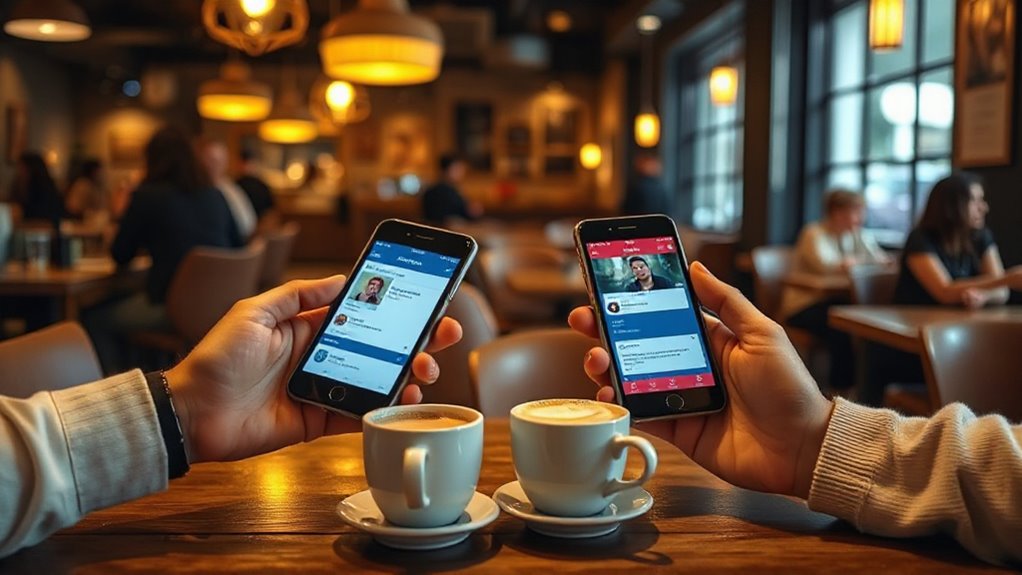
The appeal is obvious. Someone can browse potential matches from their couch without geographic restrictions or awkward bar small talk. Dating apps offer access to people far beyond social circles, using AI algorithms to match on interests, values, and personality. The flexibility to swipe at your own pace beats forced interactions at parties. Video dating lets people vet matches before meeting in person, saving time and bad first dates.
Sixty-six percent of app users have gone on at least one date from their matches. That’s not just window shopping—that’s actual results. Ten percent of committed relationships started online, with higher rates for younger users and same-sex couples. The data suggests staying inside beats traditional methods like meeting through friends, which accounts for only 15% of couples.
But it’s not all smooth swiping. Sixty-two percent of people on dating apps are already in relationships or married, which is either depressing or infuriating depending on your mood. Privacy concerns, catfishing, and fake profiles drive people away. Dating fatigue from endless swiping is real. Some users are shifting toward intentional dating—fewer matches, more meaningful connections—and hybrid approaches that combine online vetting with in-person meetups. Apps like Hinge, Bumble, and eHarmony attract users looking for serious, long-term commitments rather than casual hookups. The industry’s annual revenue now exceeds $2.9 billion, reflecting just how mainstream digital dating has become.
The irony is thick. The generation mocked for being glued to screens found the most efficient mate-finding tool in human history. Staying inside isn’t giving up. It’s adapting. Sometimes the best way forward is sitting still.