




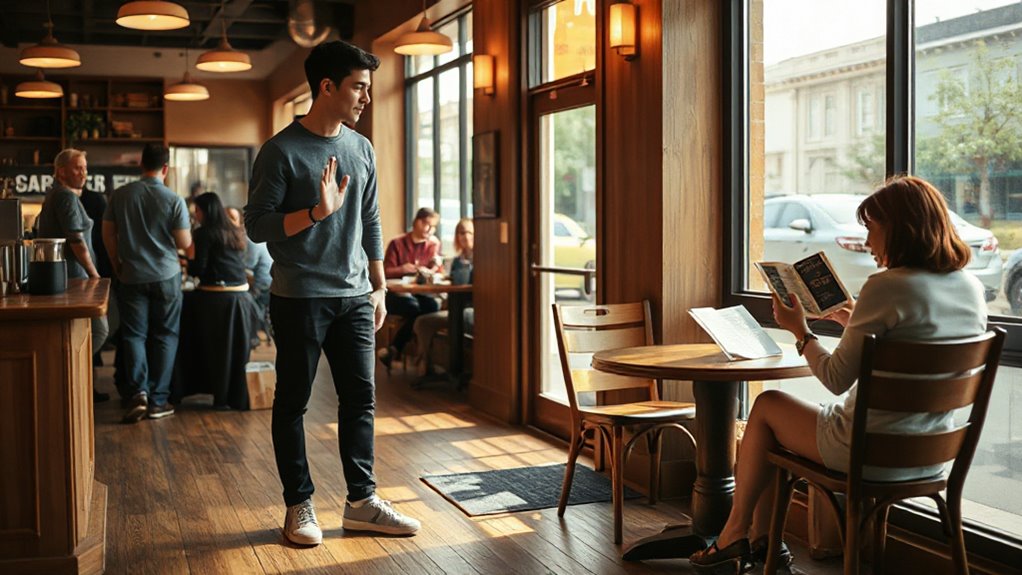
The gap between what men and women want has never been wider, and it’s creating a stalemate nobody asked for. Seventy-five percent of women aged 18-25 want men to approach them. Meanwhile, 45% of men in that same age group have never asked a woman out in person. Ever. The math doesn’t work, and everyone’s just standing around waiting for someone else to make a move.
The math doesn’t work, and everyone’s just standing around waiting for someone else to make a move.
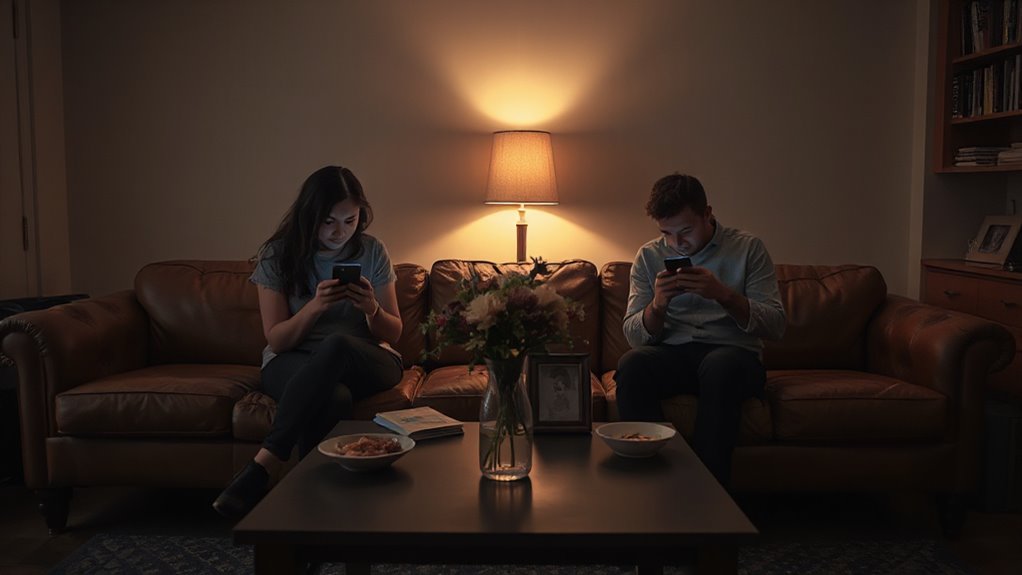
Here’s the thing: most of the approaching happening right now is being done by maybe 5-10% of guys who are comfortable with it. The rest have checked out entirely. Digital isolation killed the practice ground where guys used to build confidence. Online dating and messaging platforms became the easy alternative, the path with zero real-world risk. Why walk up to someone when you can swipe right from your couch? Volunteering offers shared purpose and real-world settings give more natural chances to practice approaching people.
But that comfort comes at a cost. Risk tolerance isn’t something you’re born with—it’s a skill you develop by actually doing the scary thing. Rejection builds the grit and determination you need for real-life interaction. Without repeated practice and exposure to hearing “no,” confidence never develops. And ironically, willingness to take those social risks is exactly what makes someone attractive in the first place.
Women often associate starting conversations with aggressive pursuit instead of normal interaction, which puts the entire burden on men to overcome their approach anxiety. Yet here’s what nobody wants to hear: starting a conversation is literally 1% of the interaction. The other 99% after that initial greeting is what actually determines connection and attraction. The opening line is the most meaningless part. Keeping approach simple with casual greetings or low-stakes questions reduces pressure and makes initiating feel less like a performance. Once conversation begins, stating your purpose succinctly helps avoid wasting her time and shows respect for her intellectual work.