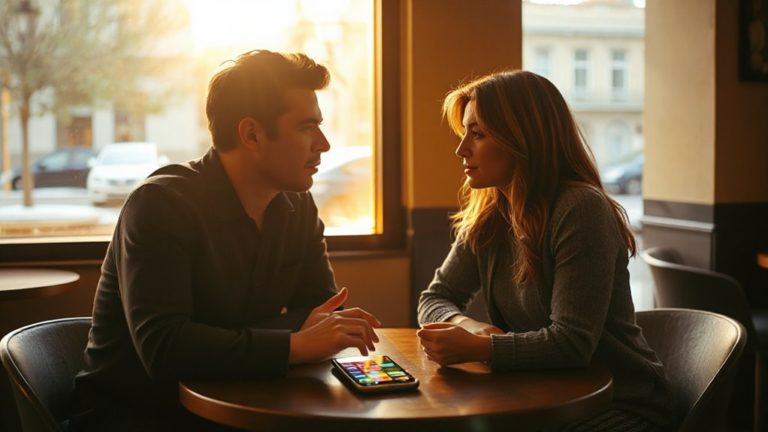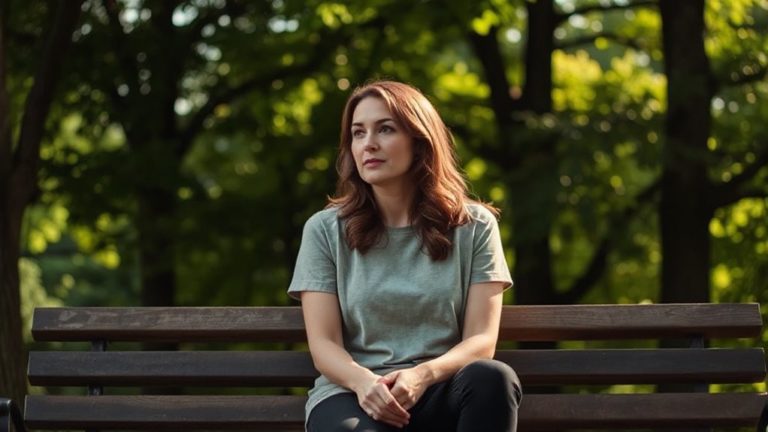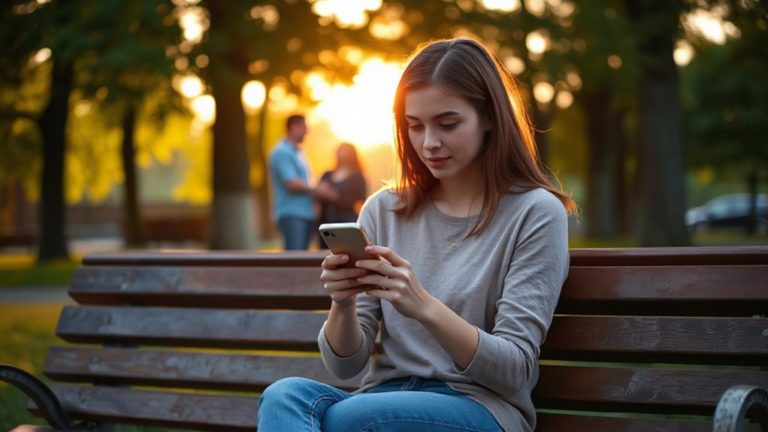
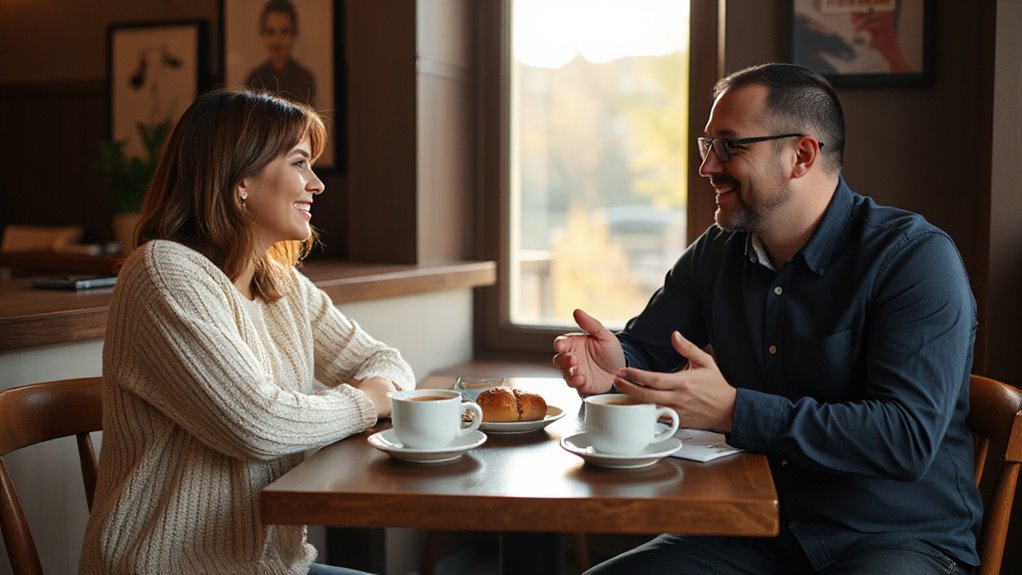
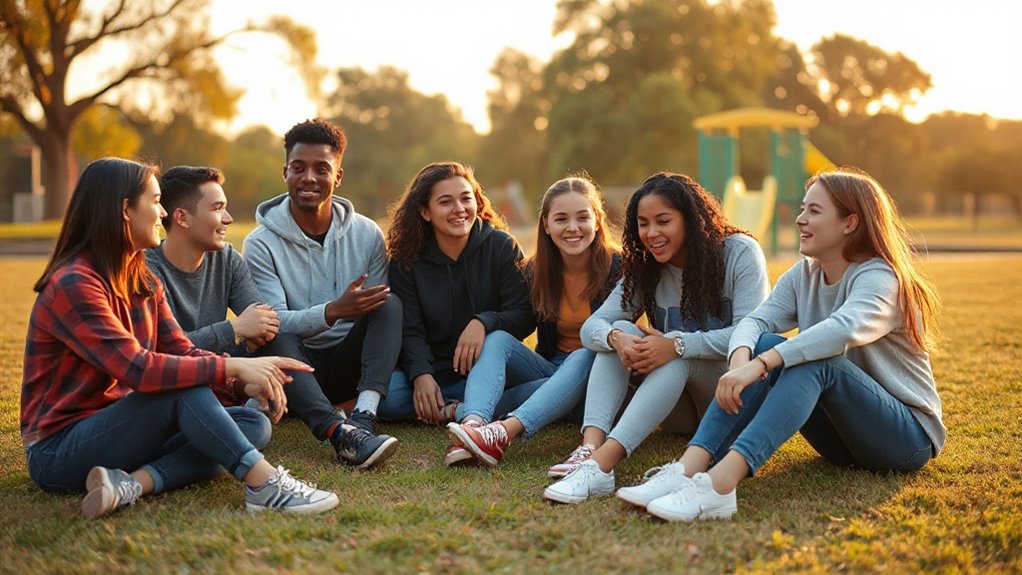

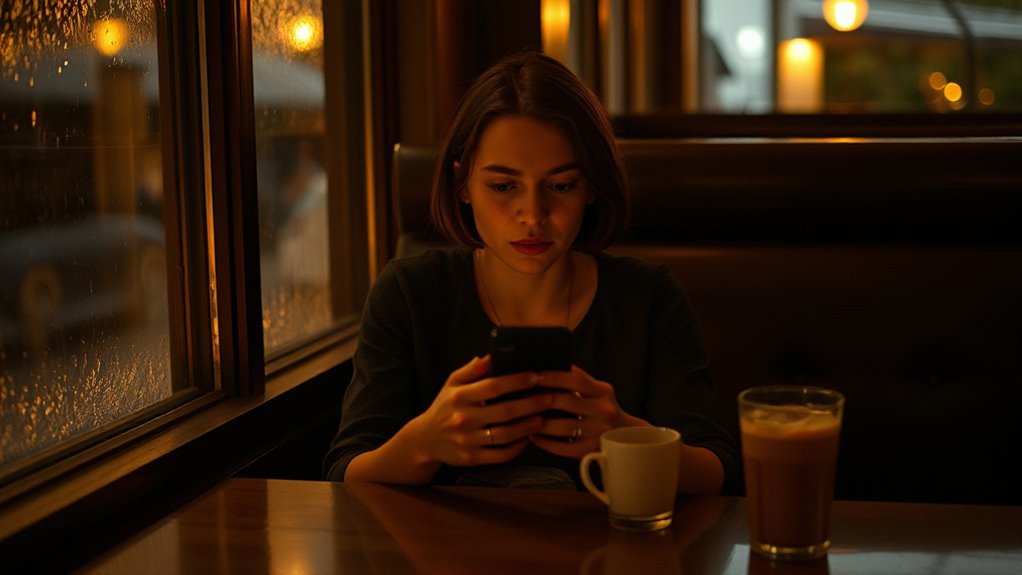
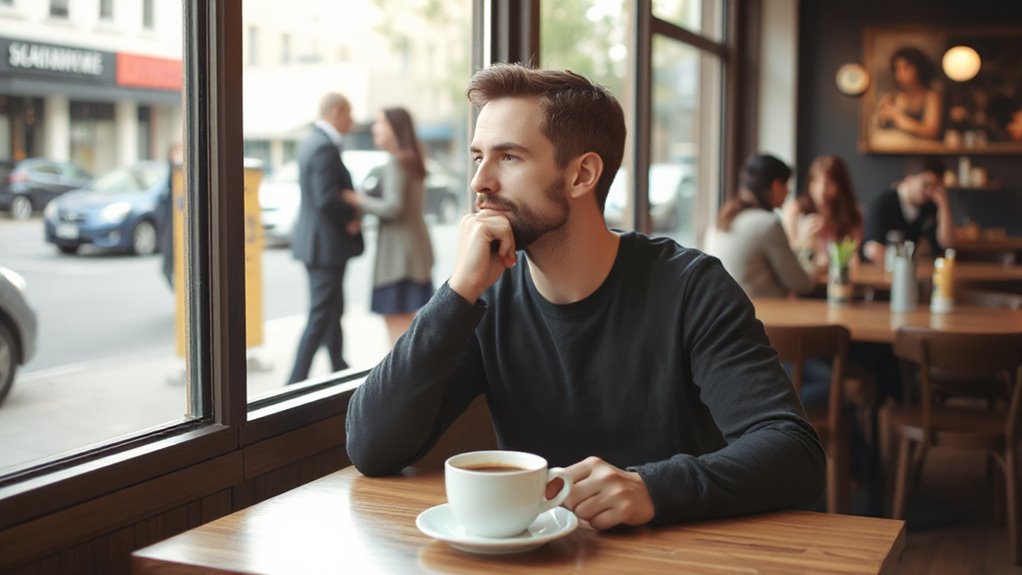
Why does someone choose a sunset over a selfie, a crowd shot over a solo pose, or a cat photo over their own face? Turns out, these choices reveal more about personality than most people realize. Research shows that profile photos aren’t just visual preferences—they’re psychological fingerprints.
Extraverts go bold. They post colorful photos bursting with positive emotions, and they love showing faces—especially multiple ones. Group shots are their calling card.
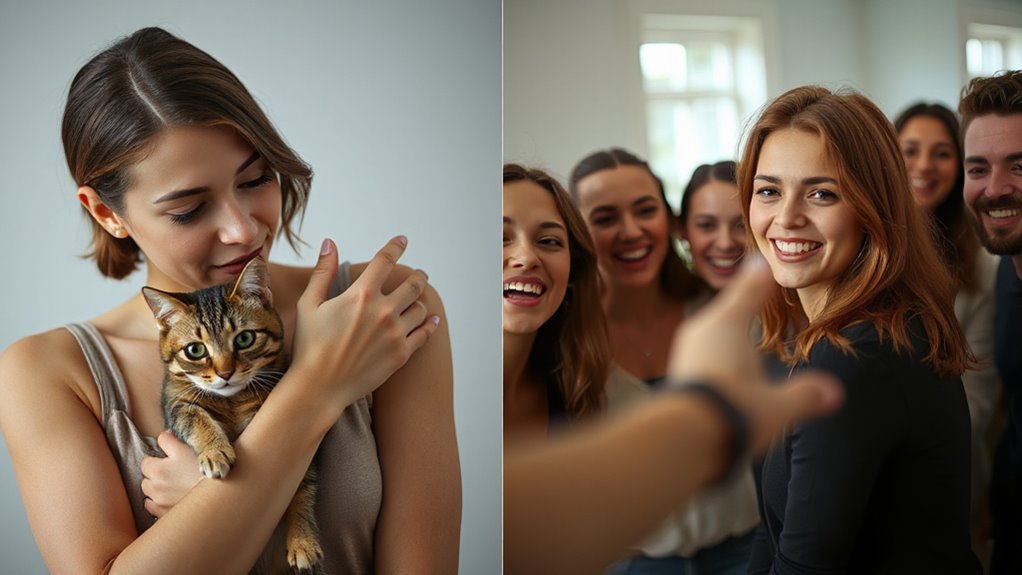
Extraverts don’t whisper their presence—they broadcast it in vivid color, wide smiles, and crowds of familiar faces filling every frame.
High extraversion means more selfies, more “groupies” as profile pictures, and generally higher life satisfaction. If someone’s profile screams social butterfly, they probably are one.
Neurotic individuals take the opposite approach. They avoid showing their faces entirely, or when they do, the face appears oversized or hidden behind glasses. Facial expressions lean less positive.
And here’s a strange one: people who use pet photos score especially high in neuroticism. The pixels themselves tell the story—neuroticism correlates strongly with image-level features that algorithms can detect.
People high in openness also skip face photos, even more than neurotic types. Their images display neutral or negative emotions, but the aesthetic quality jumps—sharper contrast, crisper detail, less blur.
Artistic photos dominate their feeds. They’re not hiding; they’re curating. Openness shows up in pixel-color features that reveal intentional visual composition.
Conscientiousness links most strongly to photo features overall. These people post buildings, offices, work-related content. They select photos deliberately, not randomly. Conscientious users typically conform to social norms, smiling in their photos and maintaining well-proportioned, high-quality images.
Analyzing both posted and liked images together improves prediction accuracy by six percent for conscientiousness—they’re consistent in what they choose and approve.
Agreeableness barely shows up in photos at all. It’s the least predictable trait from images. Ironically, pet photo users score less agreeable than average.
Cat people are more introverted and less agreeable than dog people, who themselves score lower on openness despite other differences.
Photo data predicts personality more accurately than text. Computers can read traits from images—especially openness and neuroticism—with measurable precision.
Combining posted and liked photos boosts accuracy ten to fifteen percent. The same personality framework applies to organizational social media accounts, revealing how startups use Instagram to express traits like openness and conscientiousness through their visual choices. That profile picture isn’t random. It’s revealing character whether intended or not. A single profile image can trigger rapid judgments because the brain evaluates faces and appearance in milliseconds, shaping first impressions.