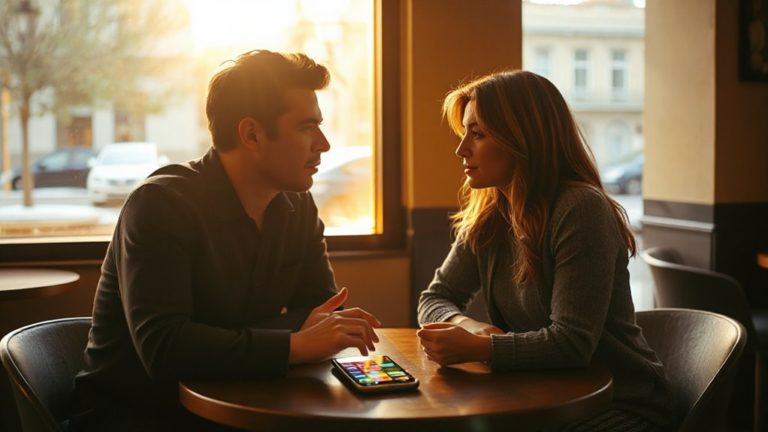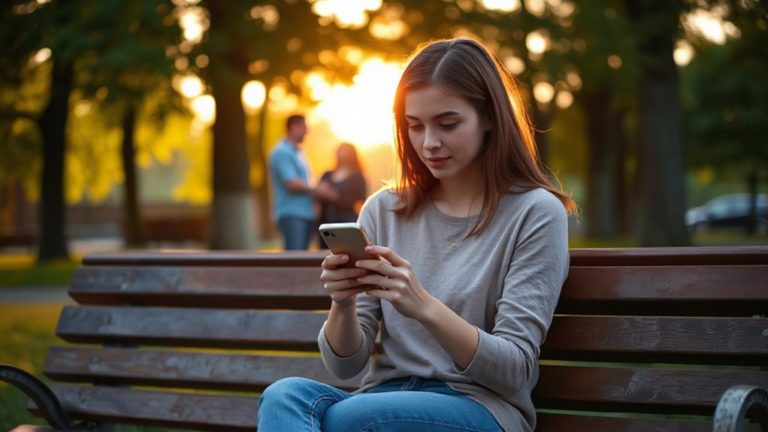
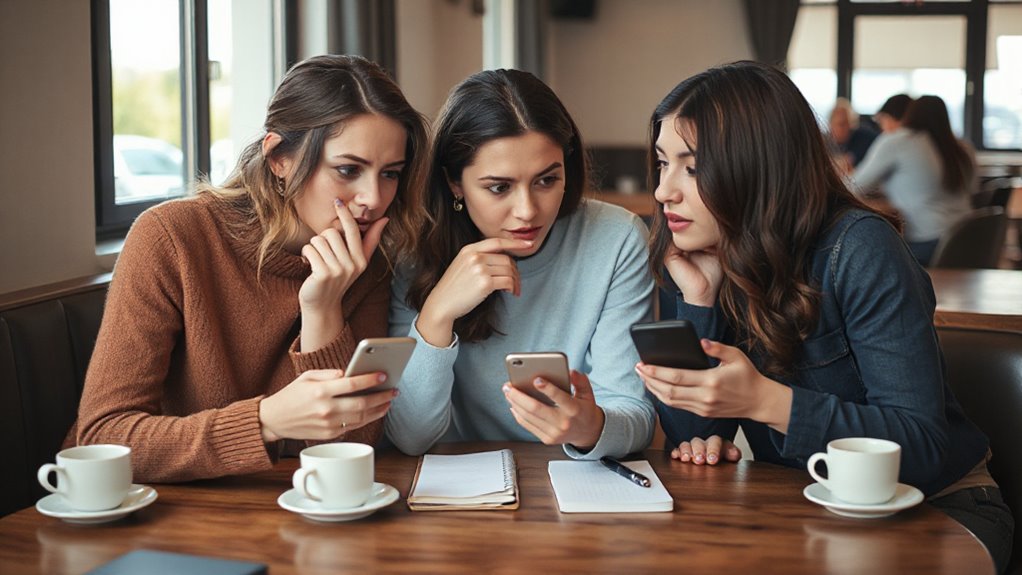
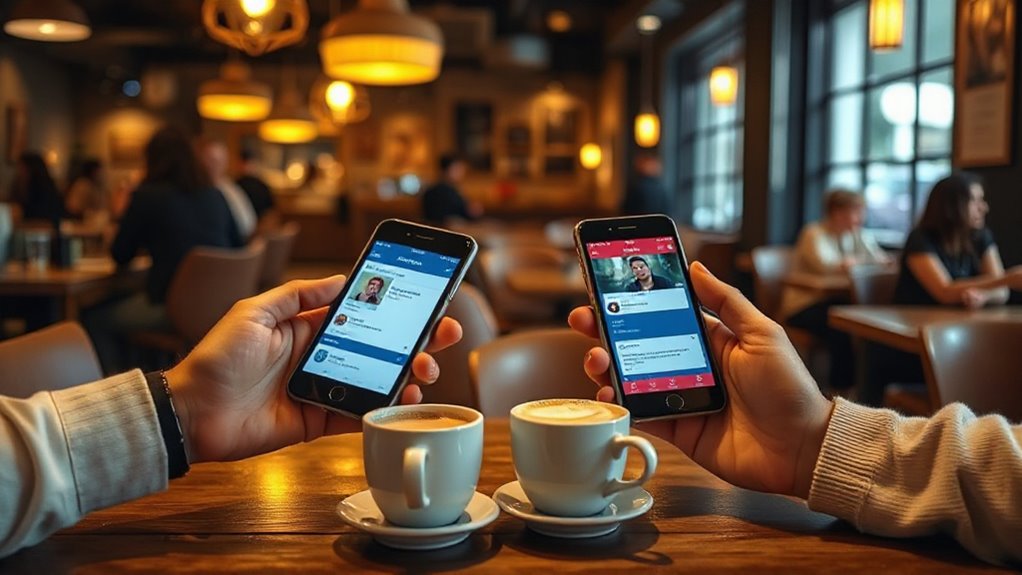
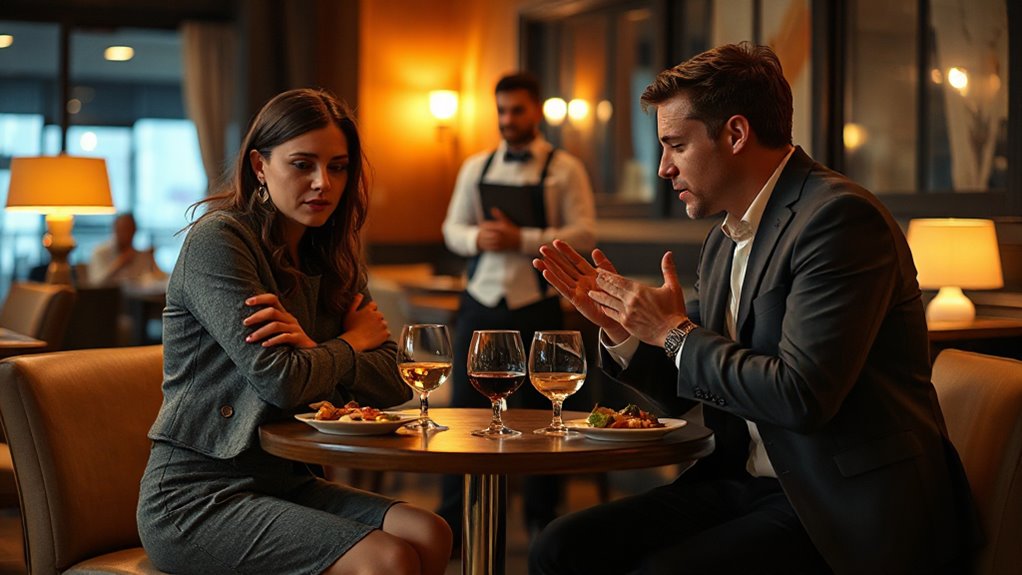
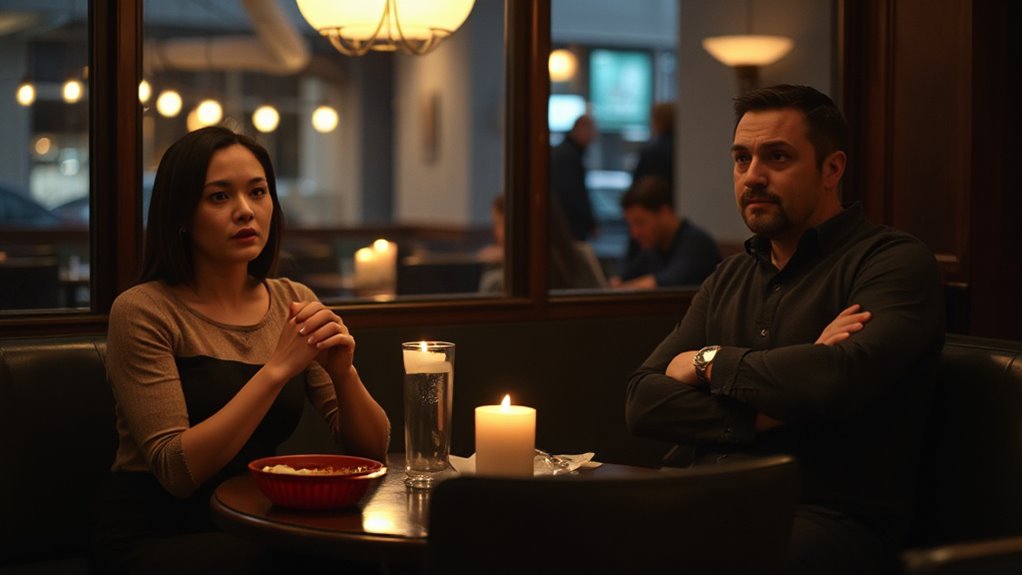

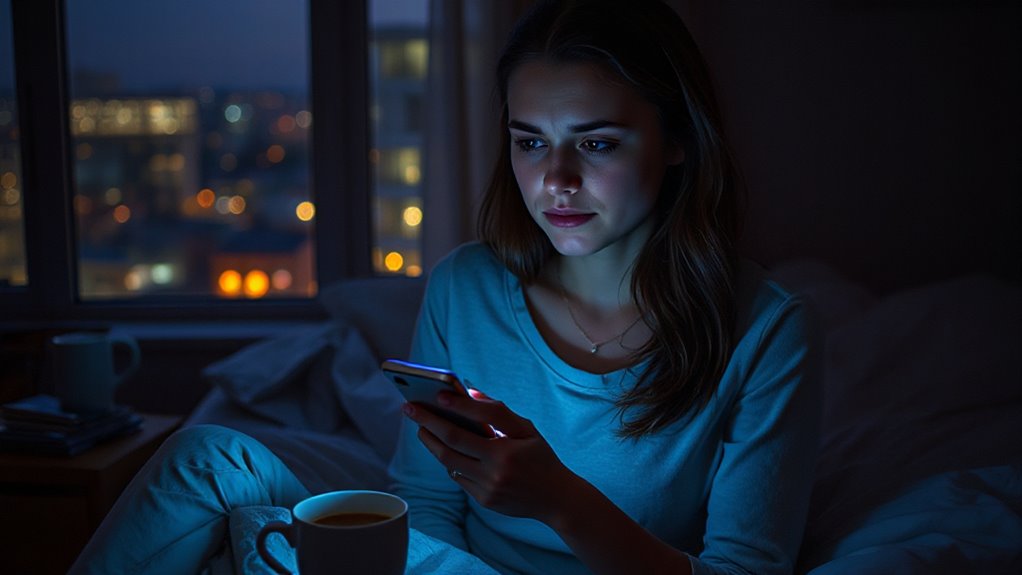
While previous generations married the person they met at church or through mutual friends, today’s daters face a different problem entirely: too many options. And those endless possibilities might be quietly sabotaging their chances at lasting love.
Research on the paradox of choice reveals a troubling pattern: the more options people have, the less satisfied they become with whoever they pick. In dating, this translates to constant second-guessing and nagging doubt. A cross-national study of 6,646 individuals across 50 countries found that couples who met online reported lower relationship satisfaction and less intense love than those who met face-to-face. Even after accounting for age, education, and other factors, online-origin relationships consistently scored lower on quality measures. Early intervention and honest assessment can sometimes prevent these downward trends by addressing underlying issues before they become unmanageable relationship warning signs.
The culprit isn’t the technology itself but what it encourages. Dating apps create cognitive overload, making every swipe feel like a high-stakes decision while paradoxically cheapening commitment. Users develop maximizing habits, always scanning for someone slightly better, funnier, or hotter. That mentality breeds regret and fear of missing out, which erodes the foundation of any existing relationship.
Worse, the abundance rewires behavior. Relationship scientists note a clear shift from seeking long-term partners to pursuing casual connections. When new options are just a swipe away, breakups feel low-cost and relationships become disposable. Ghosting and sudden disengagement become normalized, corroding trust. People lose practice in the unglamorous work of conflict resolution because it’s easier to start fresh than repair what’s broken.
Then there’s the perfectionism trap. Apps market themselves on finding your “perfect match,” a statistically absurd promise that keeps users scrolling indefinitely. Constant exposure to curated profiles inflates standards for looks, personality, career, everything. Real humans, with their quirks and morning breath, can’t compete with an infinite parade of polished strangers. Modern daters often expect one partner to fulfill the roles of sexual partner, best friend, confidant, and coparent simultaneously, creating impossible standards.
The anxiety, indecision, and rumination that come with choice overload don’t stay contained on the app. They bleed into actual relationships, sparking unnecessary conflict and instability. Online dating may also encourage users to ignore red flags that would be obvious in face-to-face interactions. The irony is brutal: tools designed to help people find love may be making it harder to keep.