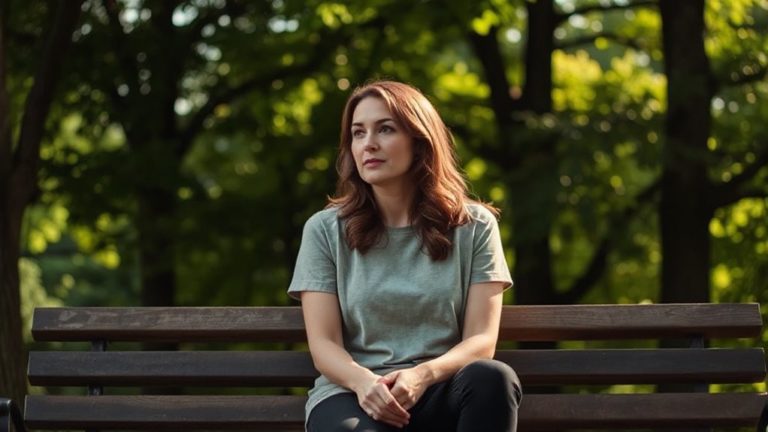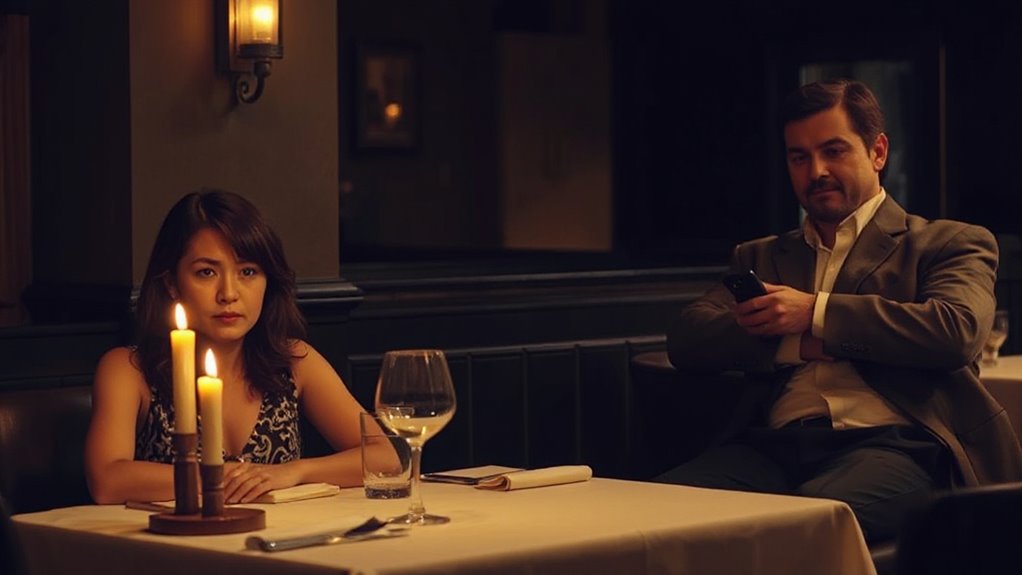




When the world feels like it’s unraveling—climate disasters, political chaos, economic uncertainty—it’s hard enough to plan next weekend, let alone build a life with someone. Yet here we are, trying to love while everything burns around us.
Turns out, global catastrophe and romance don’t mix well. Research shows that eco-anxiety and future-oriented hopelessness make people less motivated to invest in long-term goals, including relationships. When you’re convinced civilization might collapse, why bother planning anniversaries or discussing mortgages? That chronic sense of worldview threat—the constant background noise of impending doom—spills directly into how we relate to partners. Maintaining basic sexual health practices can help preserve physical wellness and emotional connection amid such stress.
This creates what researchers call relational uncertainty: doubt about your commitment, your partner’s commitment, or whether this whole thing has a future. And relational uncertainty is relationship poison. It makes every conversation feel harder, every disagreement more threatening. You start seeing problems everywhere, interpreting innocent comments as red flags, wondering if your partner is already planning their exit strategy.
Relational uncertainty is relationship poison—every conversation feels harder, every disagreement more threatening, every innocent comment becomes a potential red flag.
The biological impact is real too. When you’re uncertain about your relationship’s future, your stress response goes haywire. Cortisol spikes during conflicts become more intense. Even sexual desire drops when you doubt your partner’s interest or commitment. Recent studies confirm that uncertainty about romantic interest significantly decreases perceived sexual appeal between partners. Hard to feel romantic when you’re constantly in fight-or-flight mode.
Here’s the cruel irony: uncertainty makes people focus on short-term gratification while simultaneously making alternatives look more attractive. So you’re less likely to invest in your current relationship but more likely to notice other options. Recipe for disaster.
But here’s what works: clarity cuts through chaos. When couples create shared visions for their future—even uncertain ones—and openly discuss their commitment levels, uncertainty decreases. You can’t control global events, but you can control how honestly you communicate about fears, hopes, and intentions. Learning to take uncertainty in stride helps maintain emotional balance during these turbulent times.
Love can survive doubt about the world’s future, but probably not doubt about each other’s commitment. The key is distinguishing between external uncertainty you can’t control and relationship uncertainty you absolutely can. Focus on what’s within reach: clear communication, honest commitment, and building something real together, even if everything else feels fake.