

Why do so many people treat their dating profiles like homework they forgot about until five minutes before class? The answer is written all over dating apps in lazy bios, misleading photos, and half-hearted communication that’s quietly poisoning online romance for everyone.
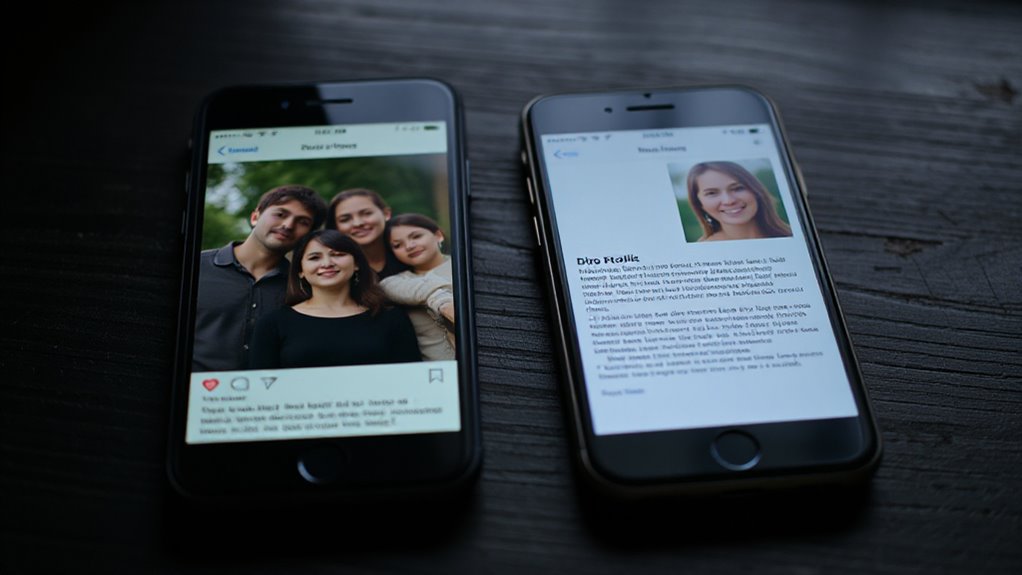
Consider the typical dating profile: a few generic lines about “loving to laugh” paired with blurry group photos where you can’t tell which person is actually seeking love. Studies show that minimal text and vague descriptions produce weaker match signals and higher mismatch rates because algorithms need detailed inputs to work properly. When someone writes “just ask” instead of sharing actual interests, they’re essentially asking others to do the heavy lifting while contributing nothing themselves. Yet many users underestimate others’ desire for connection, leading to missed opportunities for genuine interest.
The dishonesty problem runs even deeper. Over half of users admit to lying about basic facts like height, age, or relationship status. Meanwhile, an estimated 10% of profiles on some platforms are fake or belong to people already in relationships. This creates a minefield where genuine users waste time on false positives and lose trust in the entire process.
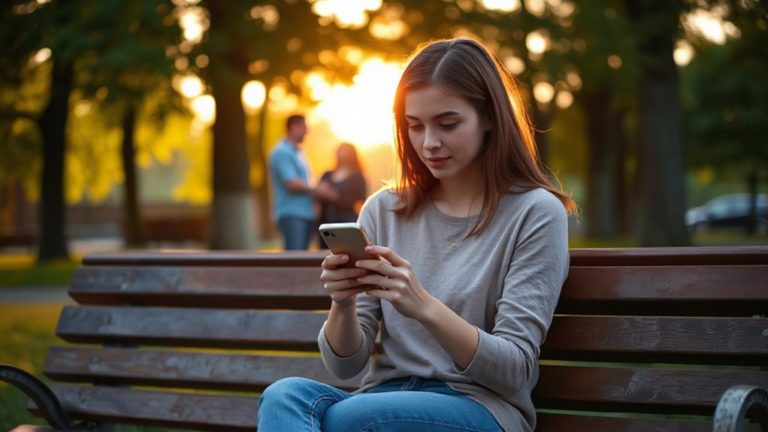
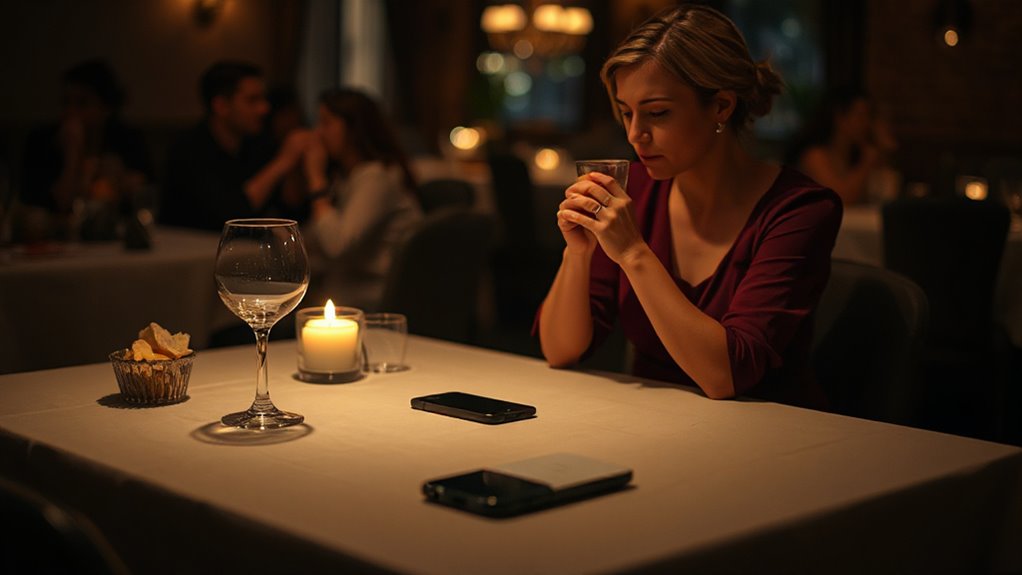
Then there’s the communication breakdown. Large numbers of users match but never follow through with meaningful conversation. They send low-effort opening lines, respond sporadically, or ghost entirely. Platform analytics reveal that these intermittent responders lengthen conversation chains while reducing the likelihood of actual dates. With users generating 4 billion swipes daily on Tinder alone, the volume of superficial interactions drowns out meaningful connections. The result? User fatigue and widespread negative sentiment about dating apps.
Photo choices make things worse. Low-quality images, heavy filters, and visual ambiguity trigger suspicion and higher skip rates. A/B tests consistently show that unclear solo photos lead to fewer messages and more profile abandonment. Improving attractiveness by one standard deviation can boost match success by 20%, yet many users ignore basic photo quality principles.
Perhaps most damaging is misaligned intent. When profiles suggest serious relationships but users actually want casual encounters, or vice versa, everyone wastes time navigating unnecessary friction and confusion. Creating opportunities for real-world connections beyond apps can help clarify intentions and build stronger bonds.
The collective impact of these half-hearted efforts creates a negative feedback loop where quality users get frustrated and leave, while those remaining lower their standards or give up entirely. Dating apps could work better, but only if people actually tried.