



Why does the spark that once ignited passionate nights gradually dim to barely flickering embers? The data tells a stark story: intimacy satisfaction plummets from 78% in new relationships to a sobering 55% after six years. That six-year mark? It’s where passion goes to die for most couples.
The six-year curse strikes again—where intimacy satisfaction nosedives from 78% to a brutal 55% and passion flatlines.
Gen Z might be having more sex than their elders—averaging seven encounters monthly compared to four for Gen X and Boomers—but they’re not immune to the fade. Even the horniest generation can’t escape the inevitable decline that hits all relationships like clockwork.
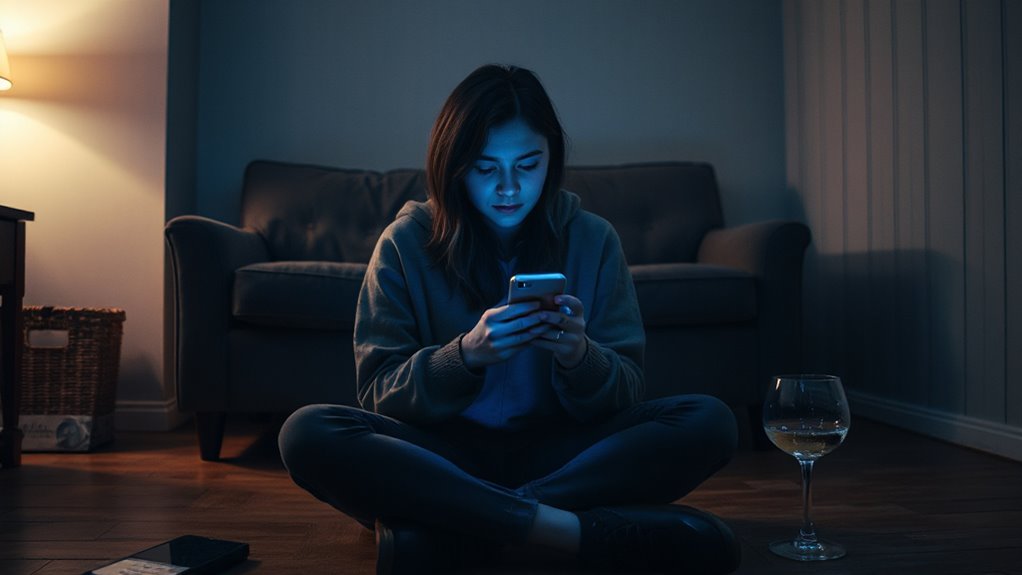
The culprits are painfully predictable. Exhaustion tops the list at 57%, followed by stress and burnout at 47%. One-third of couples blame mental health struggles, lack of privacy, and parenting demands. Health issues, emotional distance, and plain old boredom round out the usual suspects. Let’s be honest: phones are stealing attention that used to go toward your partner’s body.
Here’s where it gets messy. Physical intimacy doesn’t just vanish—it follows emotional intimacy down the drain. When partners stop connecting emotionally, they create what experts call a “vulnerability cycle.” One person withdraws, the other pursues harder, and both end up feeling more distant. It’s a special kind of relationship hell.
The cruel irony? Emotional connection drives sexual satisfaction far more than frequency ever could. Touch, communication, and trust boost desire and fulfillment. But mismatched sex drives and divergent preferences create barriers when partners stop paying attention to each other’s actual needs. Couples who openly communicate about their intimate needs show dramatically higher satisfaction rates—81% compared to just 30% for those who avoid such conversations.
Can lost attraction return? The answer lies in breaking that vulnerability cycle. Partners need to rebuild emotional intimacy first—through honest communication, quality time without distractions, and genuine interest in each other’s inner worlds. When emotional disconnection occurs, interest in sexual intimacy often diminishes, and vice versa. Sexual attraction often follows emotional reconnection, not the other way around.
The statistics don’t lie: only 28% of couples maintain daily intimacy, and just 23% of long-term relationships achieve this frequency. But those numbers represent choices, not inevitabilities. Relationships require intentional effort to maintain both emotional and physical connection. The spark can reignite—if both partners are willing to do the work.