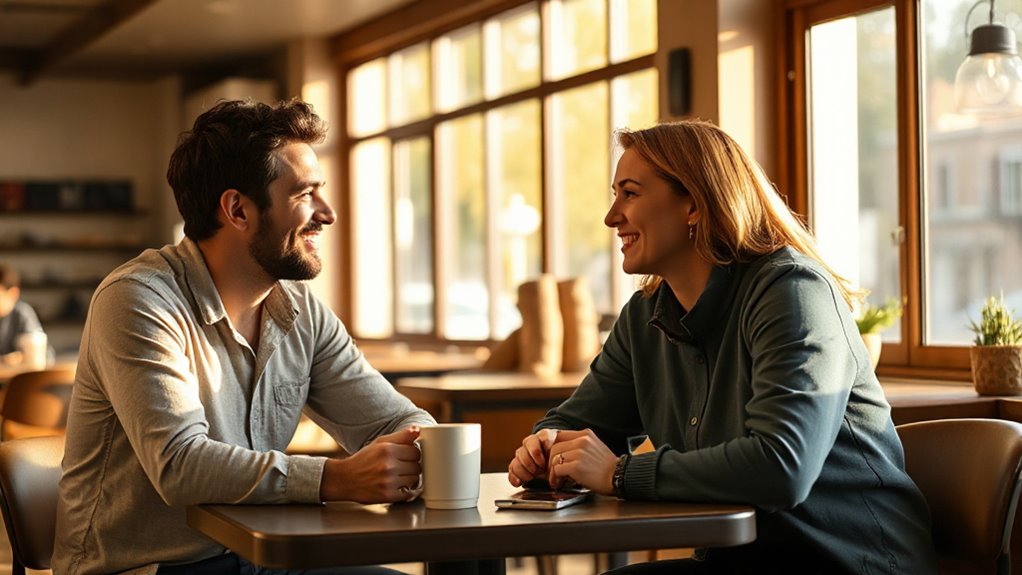

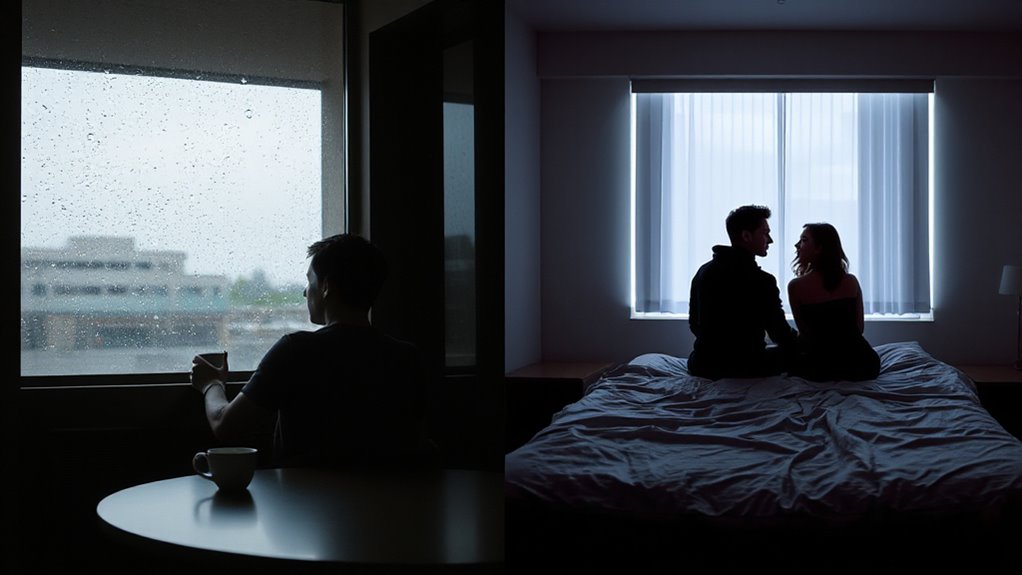
Why does hooking up feel easier than falling in love? Because our modern dating landscape has rigged the game in favor of quick encounters over lasting connections.
Modern dating apps have systematically engineered romance out of dating, prioritizing profitable endless swiping over actual human connection.
The numbers tell a stark story. Despite endless dating apps promising perfect matches, 45.7% of singles went on zero dates last year. Meanwhile, casual hookups remain accessible through apps designed to monetize your endless swiping, not your relationship success. These platforms make money when you stay single and searching, not when you delete the app for love.
Dating apps create a cruel paradox. They offer seemingly infinite options, triggering choice overload that makes committing to any one person feel impossible. Why settle when the next swipe might reveal someone better? This abundance mentality poisons the well before relationships even begin.
Men and women want different things too—31% of men seek casual sex on apps versus just 13% of women, creating mismatched expectations from the start.
Casual sex requires minimal coordination, planning, or emotional vulnerability. You meet, hook up, leave. Simple transaction, minimal risk. Love demands the opposite—time, emotional disclosure, and terrifying vulnerability.
Hookup culture has conditioned people to avoid these deeper requirements, making romantic connection feel unnecessarily complicated.
The psychological toll runs deeper than expected. Studies show 82.6% of people experience negative mental effects after hookups, with regret rates hitting 70-80%. Yet this doesn’t push people toward commitment—it breeds cynicism about relationships altogether. The financial burden compounds the problem, as modern daters spend up to $200 monthly pursuing connections that often lead nowhere.
Younger generations report fewer sexual encounters overall compared to previous generations, but they’re stuck in a frustrating middle ground. Gen Z wants emotional authenticity and long-term partnerships more than casual flings, yet 64% of singles remain unpartnered despite wanting committed relationships. This decline reflects broader cultural shifts where younger adults now have weekly sex significantly less frequently than previous generations at the same age.
The system is broken. Apps profit from your loneliness, hookup culture promises easy satisfaction while delivering regret, and the very abundance meant to help us find love makes commitment feel impossible.
Breaking free requires recognizing these forces and choosing differently. Delete apps that waste your time. Pursue real-world connections. Accept that love requires risk, patience, and vulnerability—qualities our instant-gratification culture actively discourages but genuine relationships desperately need.