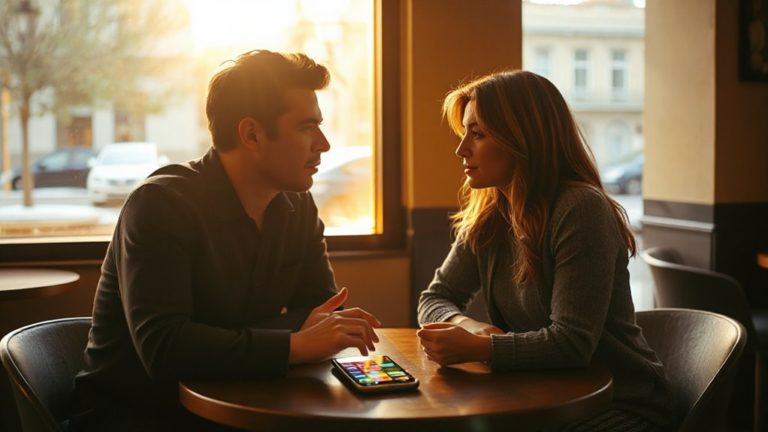



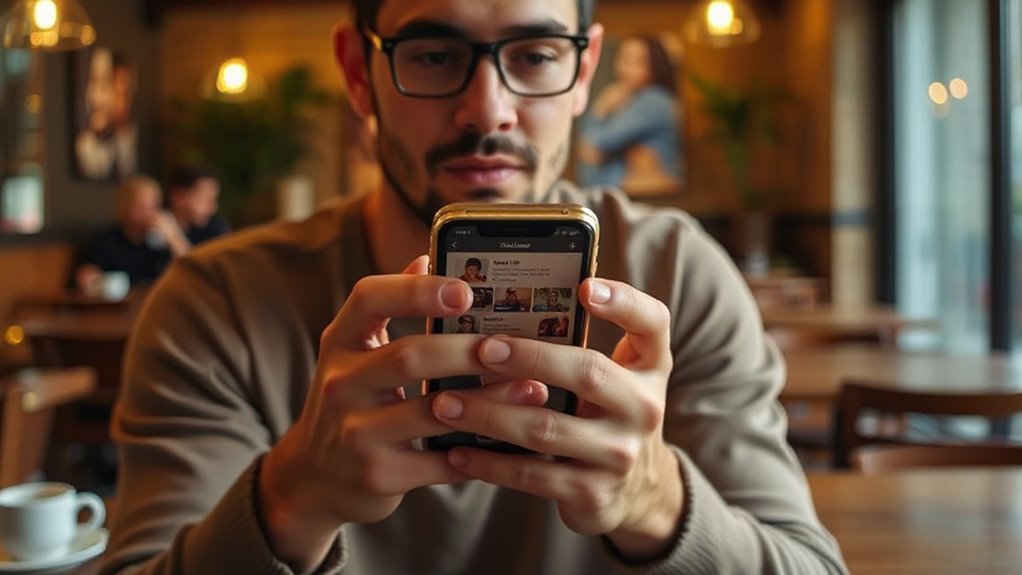
While nearly 50 million Americans have tried online dating, most men are doing it wrong—and the numbers prove it. With 67% of dating app users being men, the competition is brutal. Yet 65% quit after just one month, and 45.7% of singles went on zero dates in the past year. The math is simple: when you’re fighting for attention in an oversaturated market, generic approaches fail.
In an oversaturated dating market where 67% of users are men, generic approaches guarantee failure.
The biggest mistake men make is treating online dating like a numbers game. They swipe frantically, send copy-paste messages, and wonder why women don’t respond. Here’s the reality check: women receive far more messages than men, including inappropriate photos and low-effort attempts. Standing out requires intentional strategy, not spray-and-pray tactics.
The data reveals what actually works. Over 50% of engaged couples met via dating apps in 2025, and marriages from online dating are rated more satisfying with lower divorce rates. Success isn’t random—it follows patterns. The key lies in understanding current dating trends reshaping the landscape.
Slow dating is dominating 2025, where building genuine connection matters more than quick hookups. While 64% want committed relationships and only 39% are open to casual encounters, most men still lead with surface-level appeals. Women are gravitating toward authentic content that shows real highs and lows, with 41% celebrating this shift. Authenticity beats polished perfection every time.
Platform choice matters profoundly. Tinder dominates among under-30 users, but Hinge works better for serious relationships. Match attracts 50+ users more than younger demographics. Understanding where your target audience spends time is vital for success. Consider expanding beyond apps entirely, as approximately 15% of couples still meet through friends who provide built-in trust and compatibility filtering.
The uncomfortable truth is that 53% report dating burnout occasionally or frequently. Women are exhausted by low-quality interactions and time-wasters. The 62% of online daters who are already in relationships or married only compound this frustration. Breaking through requires offering something different: genuine interest, thoughtful communication, and clear intentions. Additionally, 25% of online daters have experienced uncomfortable situations, including harassment and unsolicited photos, making safety and respect even more crucial.
With singles spending an average $289 monthly on dating, the stakes are real. The men who succeed understand that attracting women online isn’t about gaming algorithms—it’s about authentic connection in an increasingly cynical digital landscape. Quality always beats quantity.