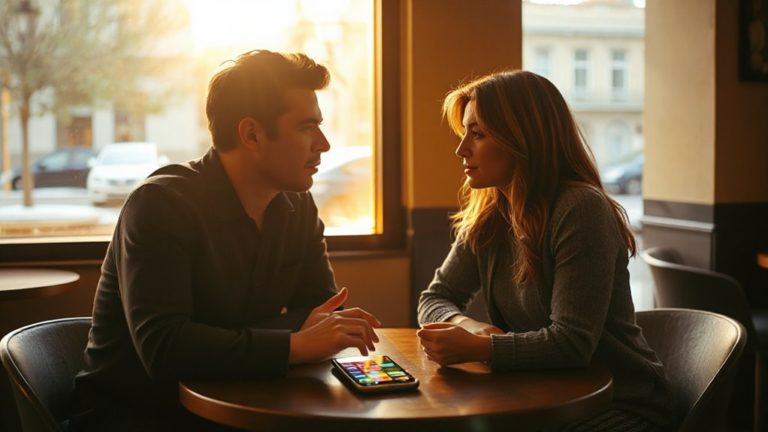
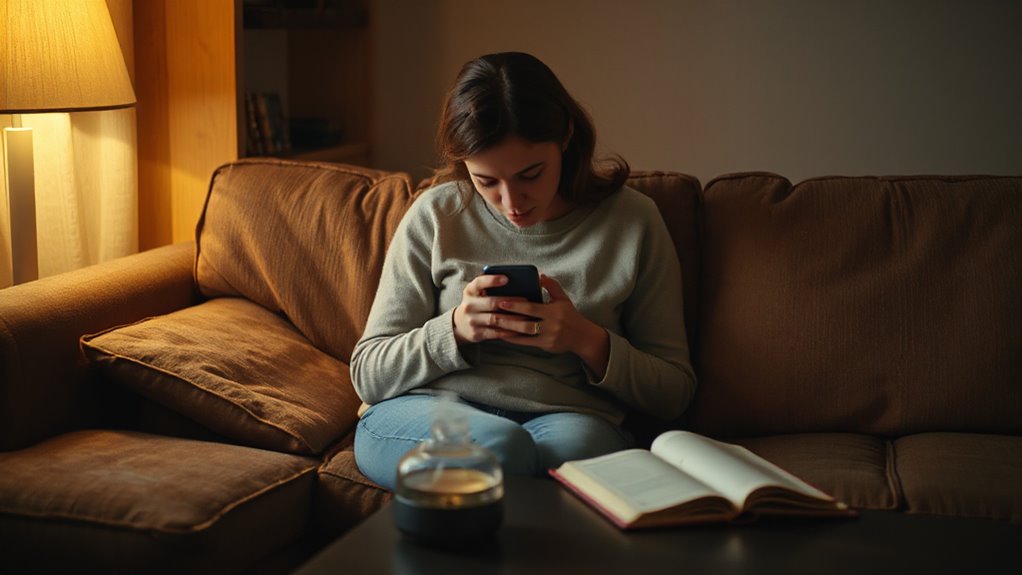



How long should someone text before suggesting a real-world meetup? Research reveals that excessive pre-meeting texting might actually torpedo your dating prospects before they even begin.
Endless texting before meeting creates false intimacy that often leads to real-world disappointment when fantasy meets reality.
The data is telling. Delayed or excessive texting before meeting someone face-to-face reduces relationship intentions compared to next-day contact after an initial meeting. This finding comes from a study of 543 participants, showing a clear curvilinear pattern where timing peaks shortly after that first encounter. Using optimal message timing can significantly impact the success of your dating interactions.
Translation: stop overthinking the marathon text sessions.
Here’s what’s happening behind the scenes. When people meet online, they’re already missing vital social capital—things like mutual friends vouching for someone or shared community connections that traditionally helped relationships form.
Dating apps dominate modern courtship, but they correlate with higher dissatisfaction and deeper insecurities. Add endless pre-meeting texting to this shaky foundation, and you’re building a house of cards.
The numbers paint a stark picture. Fifty-four percent of women feel overwhelmed by dating app messages, while sixty-four percent of men feel insecure from lack of messages.
Meanwhile, fifty-five percent of recent daters feel insecure about message volume overall. All this anxiety before anyone’s even grabbed coffee together? That’s a red flag waving in hurricane winds.
The sweet spot for texting exists after you’ve met, not before. Texting the next morning after a first date yields the highest relationship intentions, with women showing particularly strong preferences for timely post-date contact.
Early texting timing triggers greater romantic interest—but only when there’s already been face-to-face interaction.
Think about it practically. Excessive texting before meeting creates false intimacy and unrealistic expectations. You’re essentially conducting a relationship with a phone screen, not a person.
When reality hits during that first meeting, disappointment often follows because the fantasy rarely matches the flesh-and-blood human sitting across from you. Research shows that perceived responsiveness through texting plays a significant role in enhancing relationship satisfaction, particularly in relationships where couples can’t meet regularly. Texting lacks body language and emotional cues, making it impossible to truly gauge compatibility before meeting.
The solution is simple: suggest meeting sooner rather than later. Skip the weeks of digital foreplay.
Real chemistry happens in person, not through pixels. Your dating life will thank you for it.