
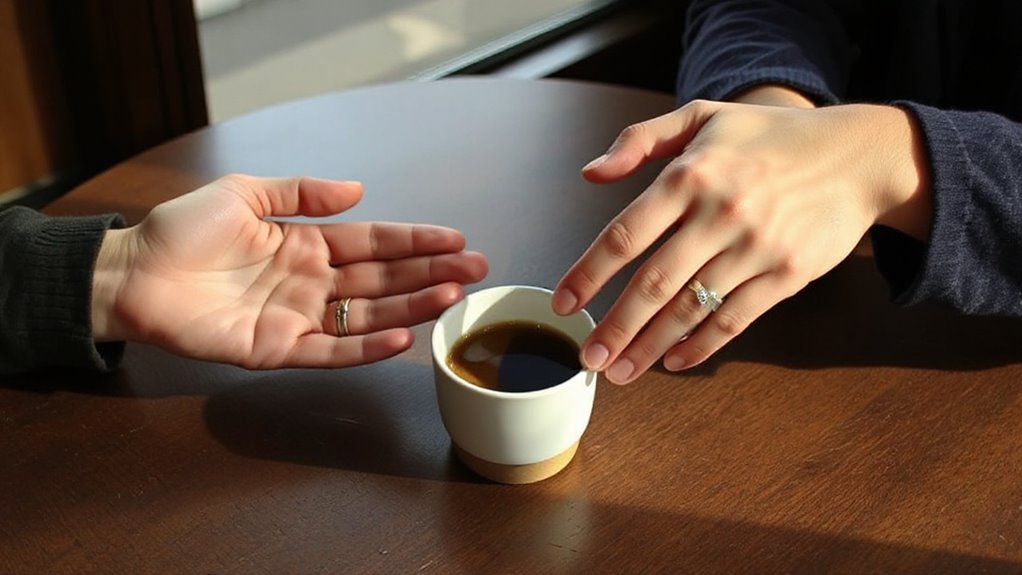


What happens when love turns into a business transaction and marriage becomes a battlefield? In China’s major cities like Shanghai and Guangzhou, scorned wives are paying tens of thousands of dollars for a peculiar service: professional mistress dispellers who specialize in ending their husbands’ extramarital affairs.
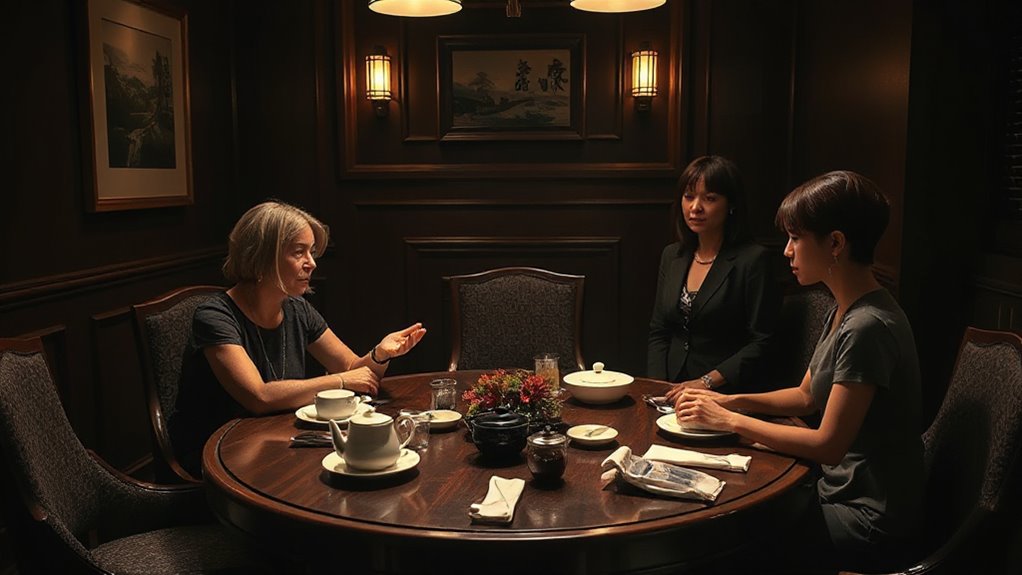
This isn’t your typical marriage counseling. These companies deploy teams including psychotherapists and lawyers who conduct deep investigations into the mistress’s life—her family, friends, education, job history. Then comes the infiltration. An employee poses as a friendly counselor, slowly gaining the other woman’s trust over months of careful manipulation. The emotional dynamics involved often require high levels of trust and emotional bonds to be effective.
Employees infiltrate mistresses’ lives through months of psychological manipulation, posing as trusted friends while secretly working to end affairs.
The goal? Subtly coach the mistress into ending the affair while simultaneously teaching the wife marriage-saving strategies. It’s psychological warfare disguised as friendship, and companies claim impressive success rates. One center in Chongqing boasts dispelling 260 mistresses in just two years.
The industry emerged alongside China’s economic boom, when rising wealth created new opportunities for infidelity among businessmen and officials. Affairs became status symbols, signaling success and power. But while the economy modernized rapidly, traditional values around marriage and family duty remained deeply entrenched.
Divorce carries heavy stigma in mainland China, particularly for women. Hiring a dispeller becomes their last resort, a desperate attempt to preserve face and family unity. The process typically spans three months and costs upwards of $10,000—serious money that reflects how much these marriages are worth saving, at least financially.
Companies like Weiqing, founded in 2001, have expanded to 59 cities as part of China’s broader “love industries” alongside matchmaking and dating services. The phenomenon recently gained international attention through the documentary “Mistress Dispeller,” which premiered at Venice Film Festival 2024, following filmmaker Elizabeth Lo’s three-year journey documenting actual cases. The industry is now expanding internationally with plans to offer English-language services in Europe and North America to serve ethnic Chinese women abroad.
But the industry faces new challenges amid recent societal shifts. Personal accounts remain difficult to verify independently, and the ethical implications are murky at best. Still, the services persist because they address a uniquely Chinese problem: the collision between rapid economic change and enduring cultural expectations around marriage, family, and female duty. This tender portrayal of such intimate struggles reveals the complex human emotions beneath what appears to be a purely transactional business.