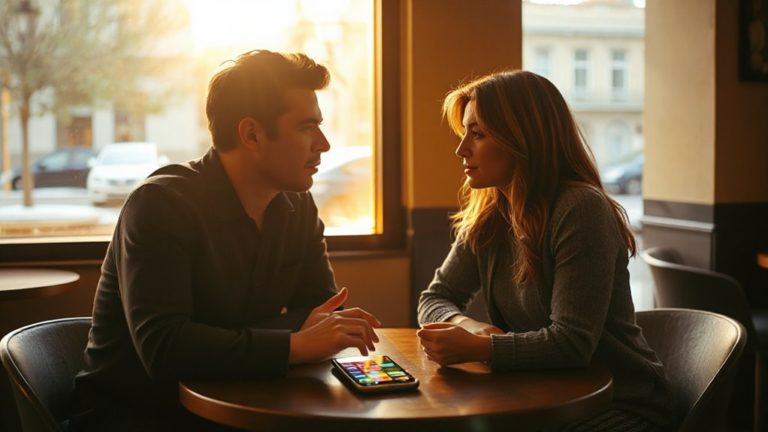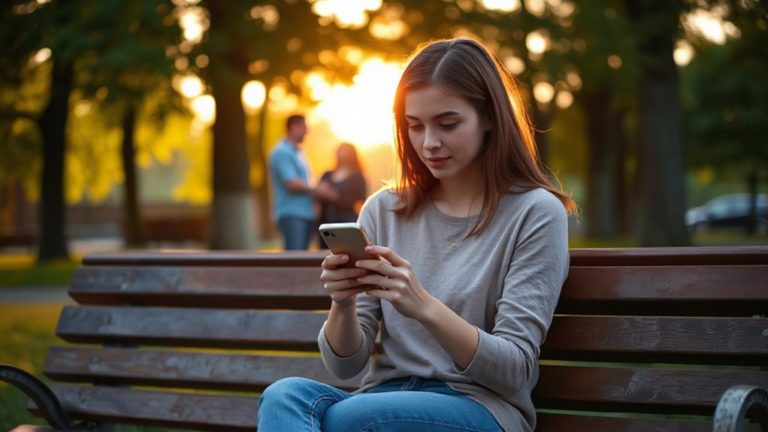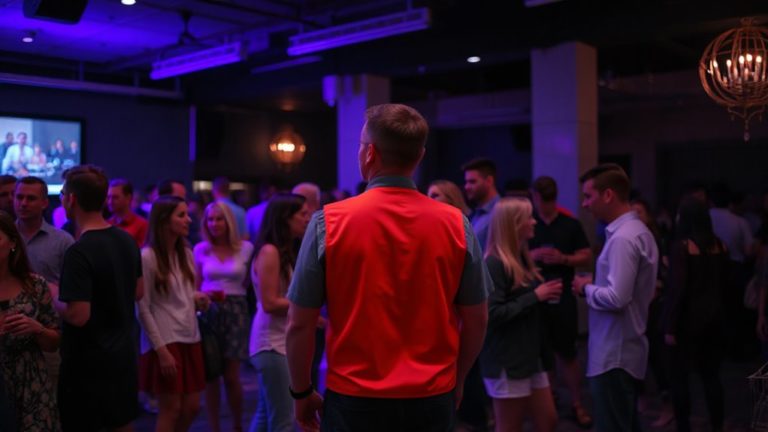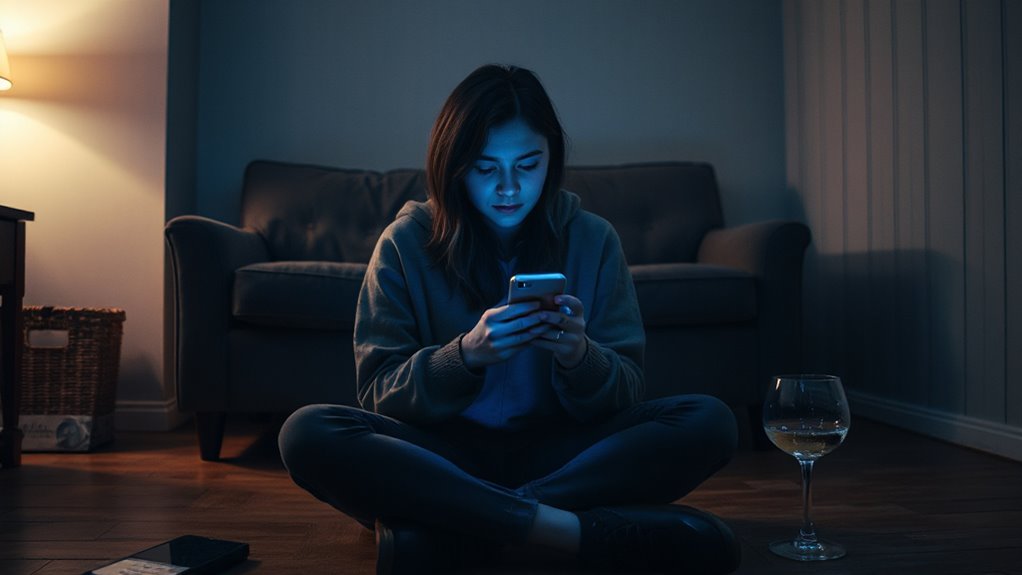

While dating apps once promised endless romantic possibilities with a simple swipe, Gen Z is swiping left on the entire concept. Tinder downloads plummeted 38% from 2020 to 2024, while Bumble shed 368,000 users and Hinge lost 131,000 in the UK alone. The numbers don’t lie—79% of Gen Z reports burnout from traditional dating apps. This aligns with the fact that 65% of daters quit within one month due to decision fatigue and platform overload.
Gen Z is abandoning dating apps en masse, with download rates plummeting and burnout reaching epidemic levels.
The problem isn’t romance itself. It’s the hollow ritual of endless swiping that leads nowhere meaningful. Only 26% of US dating app users are Gen Z, compared to 61% millennials. These young daters want something apps can’t deliver: genuine chemistry and authentic connection.
Safety concerns make matters worse. A staggering 93% of Gen Z felt uncomfortable on app-arranged dates, with 64% actually fearing for their safety. When 91% of women worry about their security on dates, the swipe-right culture starts feeling less like romance and more like Russian roulette. Most won’t even attempt a second app-arranged date after negative experiences.
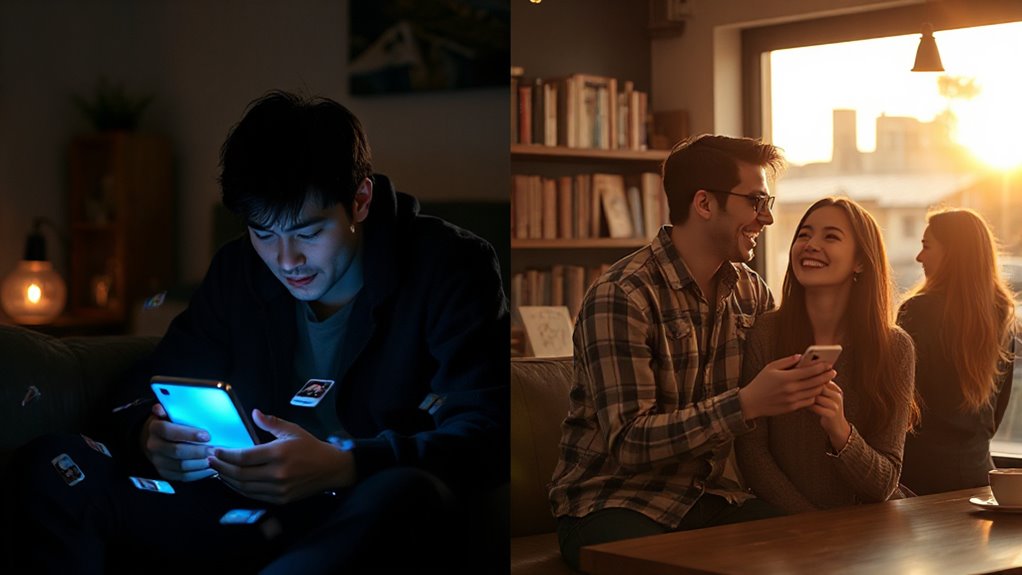
Instead, Gen Z craves real-world “meet-cutes”—those spontaneous encounters that can’t be programmed or algorithmically optimized. Only 21% cite apps as their primary connection method, while 58% prefer meeting in person. They’re defining relationships on their own terms, prioritizing exploration and authenticity over traditional dating scripts. Many young people are turning to social media platforms like Instagram and TikTok as alternatives to traditional dating apps.
The communication gap reveals deeper frustrations. Gen Z daters are 36% more hesitant than millennials to start meaningful conversations on first dates. Yet only 30% of heterosexual and 25% of LGBTQIA+ daters feel their dates ask enough questions. They want voice notes, follow-up questions, and genuine curiosity about their interests—not small talk generated by app prompts.
Platforms like Feeld, which emphasizes authentic connections over superficial matching, saw an 89% increase in Gen Z users. Meanwhile, 67% want to build connections without alcohol, signaling a shift toward sober, genuine interactions. Even industry leaders have noticed this shift, as Tinder implemented smaller teams focused on rapid product development to better respond to changing user preferences.
The message is clear: Gen Z wants chemistry-first experiences, not swipe-based gambling. They’re abandoning the apps that treat love like a numbers game and seeking platforms that prioritize depth, safety, and real human connection.