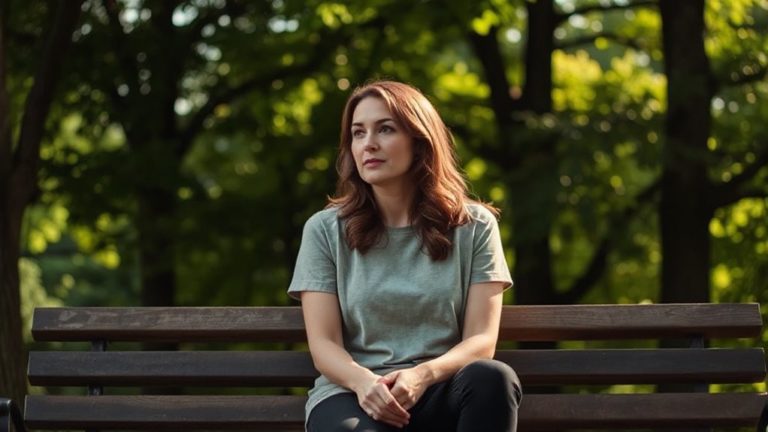
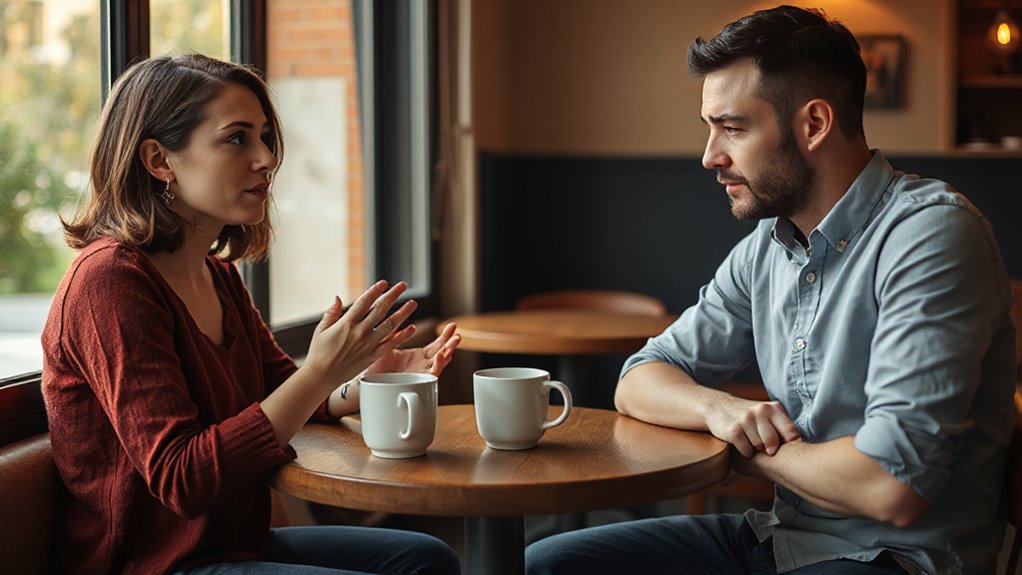
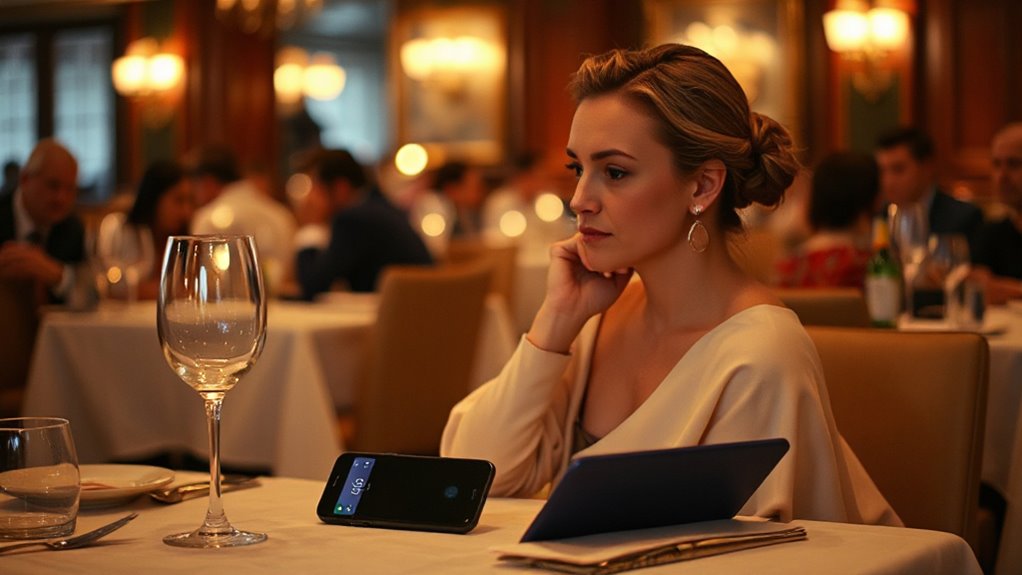

Why do people treat being single like a medical condition that needs urgent treatment? The moment someone discovers you’re genuinely happy without a romantic partner, the discomfort becomes palpable. They squirm, offer unsolicited advice, or worse—pity you. But here’s the thing: their reaction says more about them than it does about you.
Confident singlehood threatens deeply ingrained social beliefs. Most people view romantic relationships as mandatory life milestones, not optional choices. When you reject this script and thrive anyway, you’re fundamentally saying their blueprint isn’t universal truth. That’s uncomfortable territory for anyone who never questioned the system. Understanding basic sexual health practices can empower individuals to maintain wellness regardless of relationship status.
Your thriving independence becomes a mirror, forcing others to question whether they chose their path or simply followed it.
Your satisfaction challenges their assumptions about what makes life complete. Research shows that people who choose singlehood often report higher autonomy, increased self-awareness, and greater resilience than those desperately seeking partnerships. Meanwhile, your confident independence might highlight their own relationship dependencies or fears about being alone.
The stigma runs deeper in certain cultures where marriage represents social status and family honor. Terms like “still single” reveal the underlying assumption that you’re incomplete, stuck in some transitional phase. Your contentment disrupts this narrative entirely.
Personality factors matter too. People with secure attachment styles can find fulfillment through non-romantic relationships, making singlehood a viable long-term choice rather than a temporary setback. Those with insecure attachment patterns might project their relationship anxieties onto your situation, assuming you must be secretly miserable.
Women particularly confuse people when they embrace singlehood confidently. Studies indicate that single women often report higher satisfaction with their status than men, especially in cultures that traditionally pressure women toward marriage and motherhood. Conversely, some research shows single individuals experiencing better health outcomes than those trapped in unsatisfying relationships.
Your comfort with being alone forces others to confront their own relationship motivations. Are they partnered because they genuinely want to be, or because society expects it? That’s an uncomfortable question many people avoid. Long-term singlehood often fosters broader social networks beyond romantic connections, creating rich community ties that coupled individuals might not develop.
The solution isn’t changing their minds—it’s maintaining your boundaries. Their discomfort stems from internal conflicts about societal expectations, not legitimate concerns about your wellbeing. Stay confident in your choice. Your happiness doesn’t require their approval or understanding.