


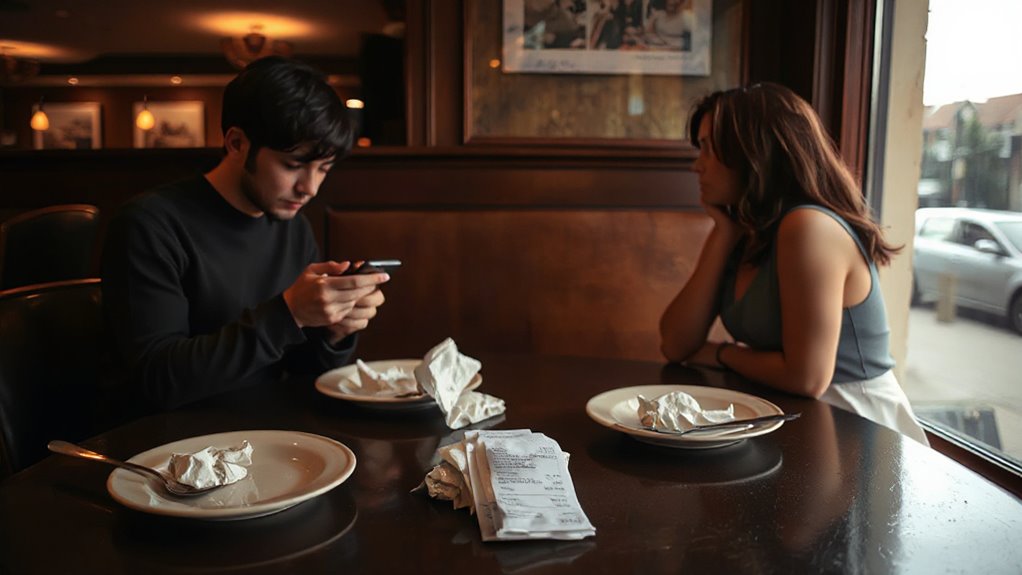




Why do some people spiral into anxiety every time their partner takes a few extra minutes to text back, while others seem bulletproof against relationship doubts? The answer isn’t simple, and pointing fingers won’t fix anything.
Relationship insecurity rarely has a single villain. Past wounds create the foundation. If you’ve been cheated on, lied to, or abandoned before, your brain stays on high alert. Those experiences don’t magically disappear when you find someone new. Your nervous system remembers betrayal, even when your current partner has done nothing wrong.
Your nervous system remembers betrayal, even when your current partner has done nothing wrong.
But here’s where it gets interesting. About a quarter of people carry a genetic variant that makes them more sensitive to relationship stress. When their partner acts dismissive or picks fights, they feel it more intensely than others. Biology isn’t destiny, but it explains why some people react stronger to the same situations.
Attachment styles matter too. Anxious types worry constantly about rejection and abandonment. Avoidant types shut down emotionally to protect themselves. Neither approach creates healthy relationships, and both increase your risk for serious health problems like heart disease and chronic pain.
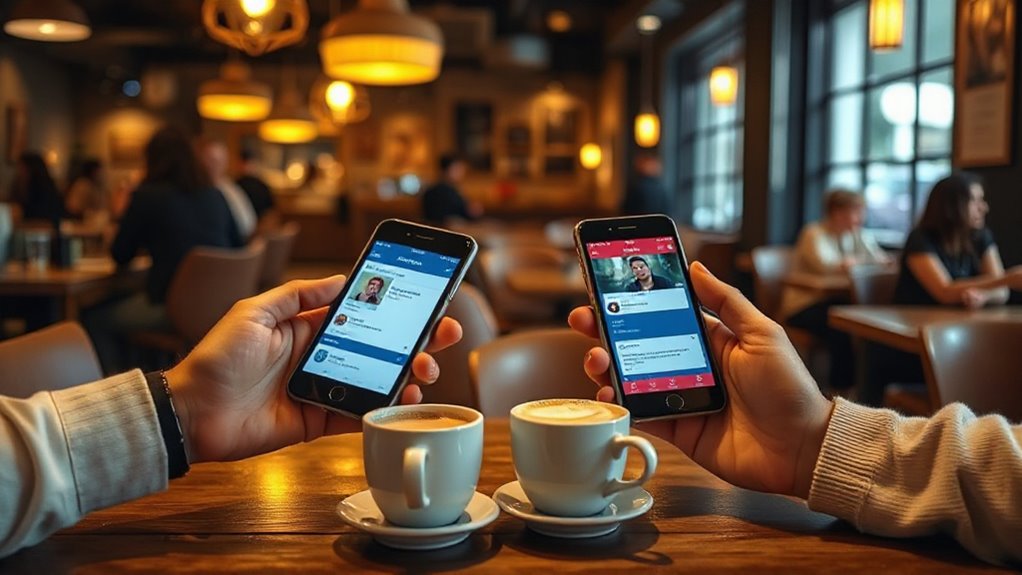
Social media makes everything worse. Constantly comparing your relationship to others’ highlight reels feeds feelings of inadequacy. That perfect couple posting vacation photos? You’re seeing their best moments, not their 2 AM fights about dirty dishes.
Communication breakdowns fuel the fire. When partners aren’t transparent or refuse to discuss problems openly, insecurity grows. Secrets breed suspicion, even innocent ones.
Here’s the brutal truth: insecure people often create the problems they fear most. They express vulnerabilities hoping for reassurance, then doubt their partner’s authenticity when comfort comes. They pick fights, demand constant validation, and exhaust their partners with emotional volatility. Research shows that insecure individuals experience greater emotional inertia, making it harder for them to recover from negative feelings. Recent findings reveal that threats to close relationships can trigger visceral pain responses, explaining why relationship conflicts feel physically overwhelming.
The blame game is pointless. Past trauma, genetics, poor communication, and unhealthy patterns all contribute. Instead of asking who’s at fault, ask what you can control. Work on your attachment issues. Limit social media comparisons. Practice transparent communication. Address your own emotional volatility before it destroys what you’re trying to protect.
Insecurity is often a team sport, but so is healing from it.