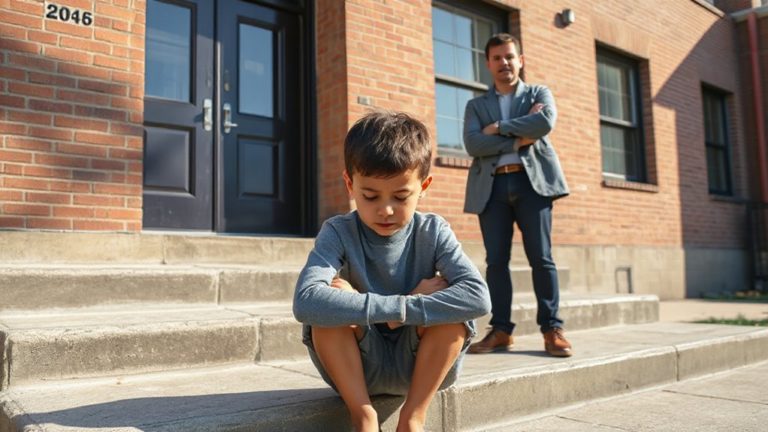



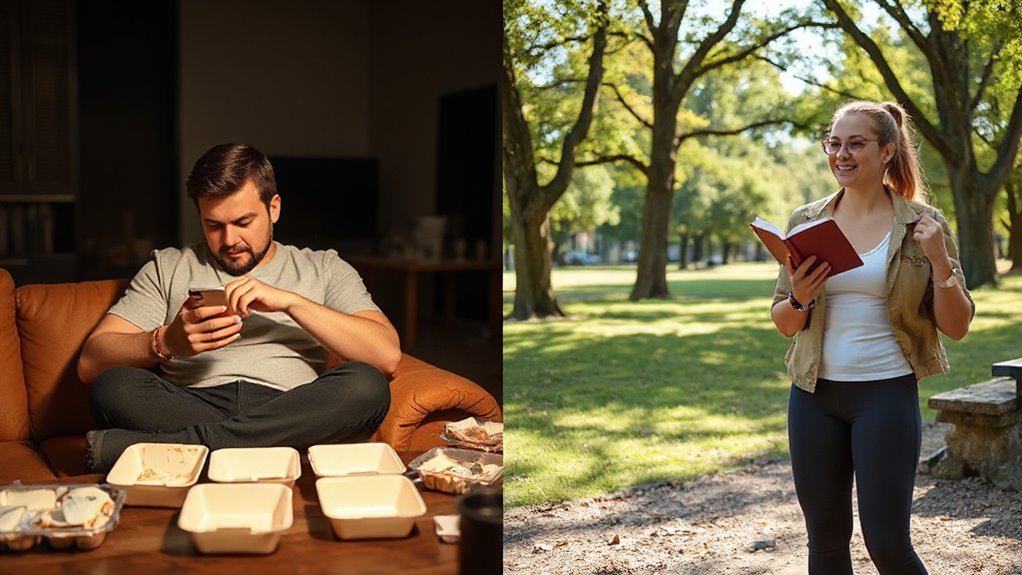
Self-development transforms dating from endless swiping into actual success because it builds the foundation that attracts quality partners. People who invest in their psychological well-being, communication skills, and emotional resilience consistently outperform those who rely on luck or looks alone. Self-improvement creates a positive feedback loop—better mental health boosts confidence, which increases attractiveness and dating outcomes. The platform matters less than personal readiness and genuine growth that makes someone truly desirable.

Why do some people seem to effortlessly attract partners while others swipe endlessly through dating apps with little to show for it? The answer isn’t luck or looks—it’s self-improvement. People who invest in themselves consistently outperform those who don’t in the dating game.
Self-improvement isn’t optional for dating success—it’s the foundation that separates those who attract partners from endless swipers.
Research shows a direct link between psychological well-being and dating success. Individuals who feel successful in dating report lower loneliness and higher life satisfaction. This creates a positive feedback loop: better mental health leads to more attractive self-presentation, which generates more success, which boosts confidence further. It’s not magic—it’s measurable. Cultivating self-love and compassion plays a key role in maintaining this emotional well-being, enabling healthier relationship dynamics.
The data reveals that positive self-presentation and self-enhancement efforts directly enhance perceived desirability. When someone works on themselves, they naturally become more appealing to potential partners. This isn’t about superficial changes or pickup artist tricks. It’s about genuine personal growth that shows up in how they communicate, carry themselves, and approach relationships.
Developing communication skills proves especially vital in digital dating environments. Those who can navigate online conversations effectively form connections faster and experience less anxiety about dating uncertainties. Meanwhile, building emotional resilience helps people bounce back from rejection, ghosting, and unreciprocated interest—inevitable parts of modern dating.
Personality traits matter too. Research indicates that openness to new experiences and extraversion correlate with online dating success. These aren’t fixed characteristics—they’re skills that can be developed through intentional practice and stepping outside comfort zones.
The motivation behind dating efforts also influences outcomes. People with approach goals—like genuinely wanting to develop intimate relationships—show more positive beliefs about dating apps and higher perceived success compared to those driven by avoidance goals or validation-seeking.
Here’s the brutal truth: dating apps don’t create attractive people; they reveal who’s already done the work. About 52% of never-married adults use online dating, but only 10% of partnered adults met their current partner through apps. Working on attachment styles directly influences dating app usage patterns, as those with higher attachment anxiety use apps more frequently while those with avoidance tendencies use them less. The difference isn’t the platform—it’s the person using it. Those with positive experiences tend to report higher satisfaction with their dating outcomes overall.
Self-improvement isn’t optional if you want dating success. It’s the foundation that makes everything else possible. Invest in yourself first, and the rest follows naturally.
Frequently Asked Questions
How Long Does It Take to See Dating Results From Self-Development Efforts?
Dating results from self-development typically surface within 1-3 months of consistent effort.
Early positive feedback from matches and conversations can boost confidence within weeks, but meaningful improvements in attracting quality partners usually require sustained work.
People with approach goals see faster progress than those focused on avoiding rejection.
Active platform use combined with genuine personal growth accelerates the timeline markedly.
Can Self-Development Help With Online Dating Profile Success and Matching Rates?
Self-development absolutely boosts online dating success. Higher mindfulness improves authenticity in profiles, making people more attractive. Better self-esteem leads to genuine self-presentation rather than desperate idealization.
Emotional regulation skills enhance messaging quality and help handle rejection without spiraling. People focused on genuine connection instead of validation get better matches.
The confidence and authenticity gained through personal growth translates directly into higher-quality profiles and more meaningful conversations.
What Are the Biggest Self-Development Mistakes People Make While Dating?
People typically sabotage themselves by losing their identity in relationships, merging lives completely without maintaining personal interests or friendships. They set unrealistic expectations, believing partners will magically change or relationships should match social media fantasies.
Many ignore fundamental value differences, settle out of loneliness, or assume problems fix themselves without effort.
The biggest mistake? Expecting someone else to complete them instead of becoming whole first.
Should I Pause Dating Completely While Focusing on Personal Growth and Development?
Yes, pausing dating can be smart. Research shows teens who delay dating develop better social skills and lower depression rates.
Singles often gain stronger self-awareness, emotional independence, and invest more in friendships. Taking breaks allows reflection on past relationships, improving future communication skills.
However, prolonged singleness may increase depression risk in adulthood. The key is intentional timing—pause when growth is needed, not forever.
How Do I Maintain Self-Development Progress During a Long-Term Relationship?
People need to keep growing individually even when coupled up. Set personal goals separate from relationship ones—hit the gym, learn skills, pursue hobbies. Schedule solo time like any important appointment.
Don’t merge identities completely or lose yourself in “we.” Support each other’s individual pursuits instead of getting clingy. Personal growth actually strengthens relationships when both partners stay interesting.