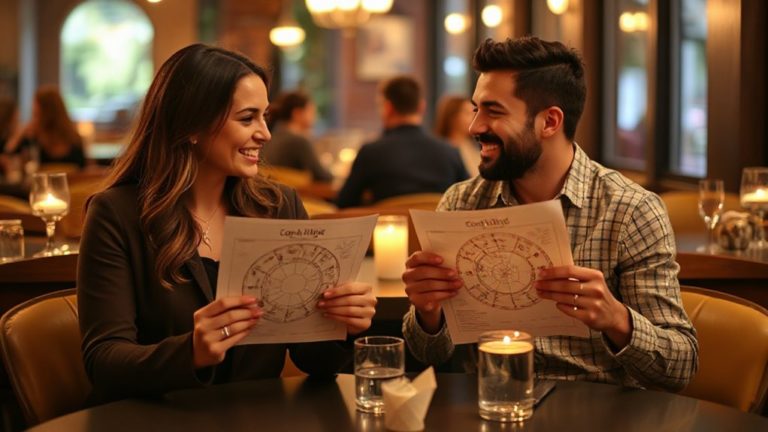




Someone who likes you maintains steady eye contact with dilated pupils, stands closer than necessary, and mirrors your posture without realizing it. They lean in during conversations, face you directly with uncrossed arms, and tilt their head while listening. Genuine smiles reach their eyes, they initiate conversations repeatedly, and their belly button points toward you when talking. They laugh at your jokes and find excuses for light touches. These signals reveal attraction when they appear together consistently.

Reading body language isn’t rocket science, but most people miss the obvious signs staring them in the face. When someone likes you, their body broadcasts it louder than a stadium announcer, yet most folks walk around oblivious to these clear signals.
Eye contact tells the whole story. If someone keeps looking at you—really looking—they’re interested. Not the quick glance you give a stranger, but sustained eye contact that feels almost magnetic. When pupils dilate during conversation, that’s attraction in action. It’s biology, not coincidence.
Sustained eye contact and dilated pupils aren’t coincidences—they’re your body’s biological billboard advertising attraction loud and clear.
People also steal glances from across rooms when they’re drawn to someone. Understanding how context influences these cues helps differentiate genuine interest from casual friendliness.
Physical proximity screams interest. Someone who consistently stands closer than necessary wants to be near you. They lean in during conversations, shrinking the space between you both. When they enter that intimate zone within eighteen inches of your face, they’re not just being friendly.
In group settings, notice who sits closest to you. That’s preference, plain and simple.
Touch reveals everything. Light touches on arms, hands, or backs aren’t accidents. People don’t casually touch others unless they feel connected. Playful nudges, pats, or any physical contact beyond basic politeness signals genuine interest. The waist embrace, where bodies press close, practically screams romantic attraction.
Mirroring behavior shows deep connection. When someone unconsciously copies your posture, crosses their legs when you do, or matches your movements, they’re displaying admiration. This synchronization happens naturally when attraction exists. Watch for body swaying that occurs during conversations, especially when music plays in the background.
Posture and openness matter tremendously. Someone interested faces you directly with uncrossed arms and relaxed shoulders. They make themselves appear taller or puff out their chest slightly. Open gestures suggest approachability and genuine interest in connecting.
Facial expressions don’t lie. Frequent genuine smiles—the kind that crinkle eyes—indicate happiness around you. Head tilting while listening shows engagement. When someone’s expressions mirror yours, they’re emotionally invested.
Voice and verbal cues complete the picture. Deeper voices, increased expressiveness, and frequent compliments all signal attraction. If someone initiates conversations repeatedly and laughs at inside jokes with you, they’re trying to build something meaningful. Watch how their belly orientation shifts toward you during group conversations, as this identifies who’s truly interested.
Pay attention—the signs are everywhere. Recognizing the difference between flirting and friendliness can help you interpret these signals accurately and respond appropriately.
Frequently Asked Questions
How Can I Tell if Someone’s Body Language Is Romantic Interest Versus Friendship?
Romantic interest involves more physical contact—lingering touches, full-body hugs, sitting closer than necessary. They’ll hold prolonged eye contact with soft expressions and mirror body language more intensely.
Someone romantically interested seeks one-on-one time, asks personal questions about dating, gives appearance-based compliments, and shows subtle jealousy when others flirt.
Friends maintain more physical distance and casual interaction patterns.
What if Someone Shows Mixed Body Language Signals – Some Positive, Some Negative?
Mixed signals usually mean they’re genuinely interested but scared or conflicted about getting involved.
When someone stares then looks away, stays close then pulls back, or switches between warm smiles and guarded expressions, they’re wrestling with their feelings.
Don’t assume they’re playing games—they’re probably weighing attraction against fear of vulnerability or commitment.
Do Body Language Signs Differ Between Introverted and Extroverted People?
Yes, body language signs differ markedly between introverted and extroverted people. Extroverts show interest through expansive gestures, sustained eye contact, and animated expressions. They’ll lean in openly and initiate physical touch.
Introverts express liking more subtly—through attentive listening, gentle nods, and softer eye contact. They maintain personal space but offer focused attention. Same interest, different expression styles.
How Long Should I Wait to See Consistent Body Language Patterns?
Three to nine seconds reveals consistent patterns—that’s it. If someone’s interested, their body language locks into predictable signals almost immediately and stays there throughout the interaction.
Don’t waste time analyzing every micro-expression for twenty minutes. The initial attraction signals people display in those first few seconds remain steady.
Trust what you see early on, because it’s probably accurate.
Can Cultural Background Affect How Someone Expresses Interest Through Body Language?
Absolutely. Cultural background dramatically shapes how people express interest. Someone from East Asia might avoid direct eye contact out of respect, not disinterest.
Latin Americans typically stand closer and touch more, while Middle Easterners maintain distance between genders.
What reads as enthusiasm in Mediterranean cultures might seem overwhelming to someone from a reserved background.
Context matters—don’t misread respect for rejection.