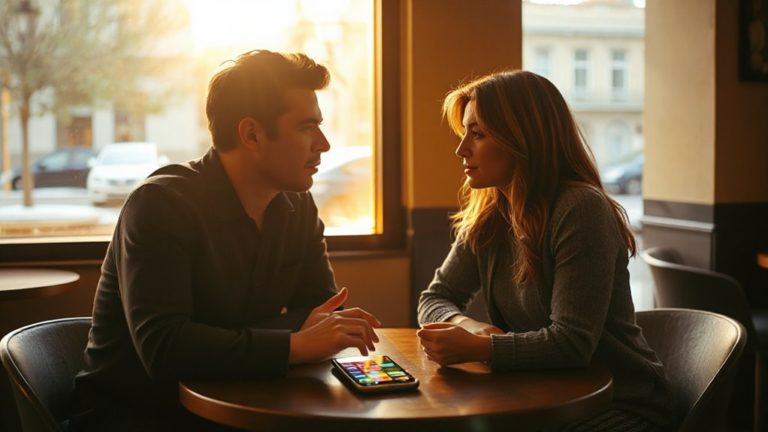





Dating rejection hurts because people mistake it for personal judgment when it’s really just timing and compatibility. Smart daters reframe ghosting and sudden endings as useful information, not character assassinations. Rejection-sensitive individuals actually benefit from online dating since digital platforms provide emotional buffers and control over interaction pace. The key is limiting app time, focusing on fewer meaningful connections, and remembering that dating success means achieving personal goals, not avoiding every “no.” There’s actually a systematic approach to building rejection resilience.

When it comes to dating, rejection isn’t just possible—it’s guaranteed. Research shows that most users experience rejection regularly, with ghosting being the most common form. The sooner you accept this reality, the better equipped you’ll be to handle it when it inevitably happens. Starting conversations with engaging openers on dating apps can help reduce early rejection by creating a more positive initial impression.
Here’s the thing about rejection sensitivity: it’s a real phenomenon that affects dating success. People who are highly sensitive to rejection tend to have lower relationship satisfaction and reduced dating success overall. But sensitivity doesn’t always translate to emotional devastation. Studies reveal that rejection-sensitive individuals don’t necessarily experience more negative emotions after bad interactions. Your reaction is more under your control than you think.
The key is understanding how rejection affects behavior. Frequent rejection often leads people to swipe less, like fewer profiles, and become overly cautious. While some protective adaptation is normal, completely withdrawing defeats the purpose of dating. About 23.6% of interpersonal interactions are perceived as negative—that’s just life, not a personal attack on your worth.
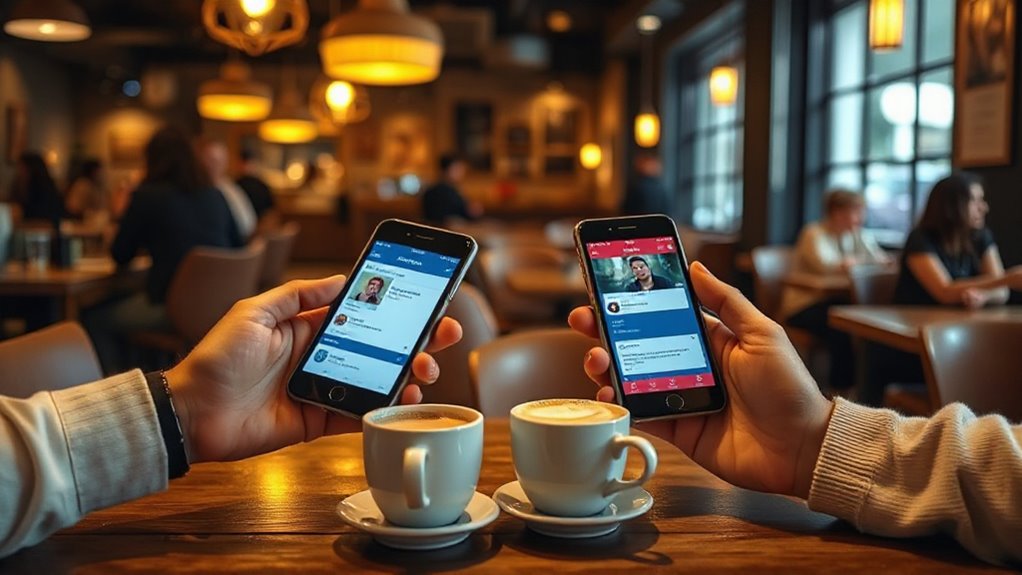
Online dating actually offers advantages for rejection-sensitive people. You can control the pace and depth of interactions, and research shows rejection-sensitive individuals often have more success with online-initiated first dates compared to offline meetings. Use this to your advantage instead of viewing digital platforms as rejection factories.
When rejection happens, recognize it for what it is: information, not condemnation. Someone ghosting you or ending communication abruptly says nothing about your value as a person. It simply means you weren’t compatible with that particular individual at that specific time. Success is measured by goal achievement, so defining what you actually want from each interaction helps put rejection in proper perspective. Rejection-sensitive individuals often employ emotional distance as a protective strategy to prevent future hurt.
Practical coping strategies matter more than positive thinking. Limit your exposure to rejection by setting boundaries around how much time you spend on dating apps. Make fewer but more thoughtful connections rather than playing the numbers game that often leads to burnout.
Recovery varies considerably between individuals, but having solid coping mechanisms and support systems accelerates the process. Don’t isolate yourself after rejection. Talk to friends, maintain your other interests, and remember that dating is just one aspect of your life, not the defining feature of your worth.
Frequently Asked Questions
How Long Should I Wait Before Dating Again After Being Rejected?
There’s no magical waiting period—he should start dating again immediately. Sitting around nursing wounds guarantees nothing except more insecurity. Rejection is feedback about strategy, not worth.
The fastest way to bounce back? Get more reference experiences. Each new attempt builds resilience and improves his odds. Waiting accomplishes nothing productive.
Action beats wallowing every single time.
Should I Ask for Feedback on Why I Was Rejected?
No. Asking for feedback rarely helps and often makes things worse. Most people won’t give honest reasons anyway—they’ll ghost, give vague excuses, or say something that hurts more than silence.
The real issue isn’t understanding their specific reasons; it’s figuring out your own dating patterns and what you actually want. Focus inward, not on chasing explanations from someone who’s already moved on.
Is It Okay to Remain Friends With Someone Who Rejected Me?
Yes, but only if you can genuinely let go of romantic feelings first. Staying friends while secretly hoping for more is emotional torture for everyone involved.
Take real time apart to heal, then honestly assess whether you can handle seeing them with someone else.
If you’re truly over it and value the friendship itself, proceed carefully with clear boundaries.
How Do I Stop Overthinking What I Did Wrong During Rejection?
Stop obsessing over what went wrong—rejection often has nothing to do with personal failings. Practice cognitive reappraisal by reframing rejection as incompatibility, not inadequacy.
When rumination starts, interrupt those thoughts with mindfulness or physical activity.
Set realistic expectations and practice self-compassion instead of self-blame.
Most importantly, avoid social media comparisons that fuel overthinking.
If persistent rumination continues affecting daily life, consider professional help.
Should I Tell My Friends and Family About Being Rejected?
Telling friends and family about dating rejection is optional and depends on personal comfort levels. Some people prefer privacy to avoid judgment or unwanted advice, while others benefit from emotional support.
Consider the person’s trustworthiness and tendency to gossip before sharing. Close friends might offer valuable perspective, but family can sometimes be overly invested.
Choose confidants wisely and share selectively based on individual needs.