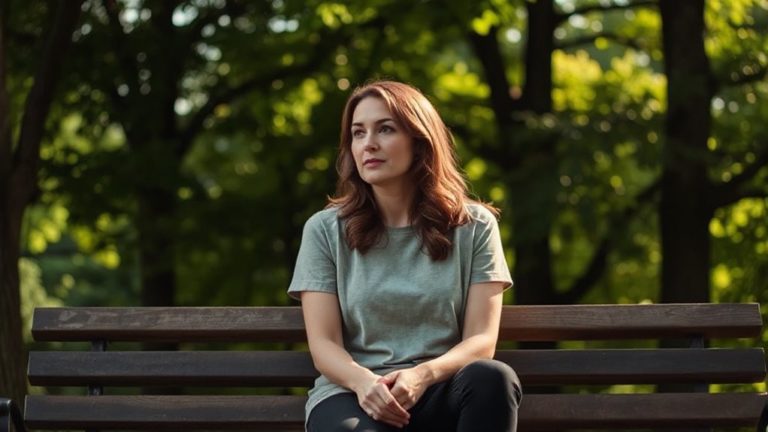




Introverts excel at dating when they stop apologizing for their personality and start leveraging their natural depth. Skip the crowded bars and embrace coffee dates where meaningful conversation flows easier. Share personal insights gradually—save the deeper stuff for date two or three, not the awkward first meeting. Focus on fewer, higher-quality connections rather than playing the numbers game that exhausts your social battery. Strategic engagement beats forced extroversion every time, and the right techniques can transform dating anxiety into genuine connection.

The dating world wasn’t built for introverts. While extroverts charm their way through endless small talk and crowded bars, introverts face a harder climb. The numbers tell the story: despite making up 52% of Americans, introverts struggle more with dating and end up single more often than their outgoing counterparts.
Here’s the problem. Dating requires vulnerability, and introverts already battle lower self-esteem than extroverts. They withdraw in social situations, creating a cycle where they seem disinterested when they’re actually protecting themselves. But research shows a clear path forward: social engagement changes everything for introverts. Those who actively engage socially report considerably higher self-esteem than those who retreat. Building emotional intimacy through open communication can help introverts feel more connected and secure in relationships.
The solution isn’t becoming fake extroverted. It’s strategic engagement. Start small with activities that feel natural—coffee dates over loud clubs, one-on-one conversations instead of group hangouts. Introverts don’t show strong preferences between introverted and extroverted partners anyway, so focus on connection quality, not personality type.
Practice emotional self-disclosure gradually. Yes, introverts struggle with this compared to extroverts, and it affects relationship intimacy. But friendship length naturally increases emotional sharing, so invest time in building rapport before diving deep. Share something meaningful on the second or third date, not the first.
Embrace mixed dynamics if you date an extrovert. Research shows these relationships work through complementarity, not similarity. You’ll likely become the listening partner, the sounding board—and that’s valuable. Don’t try adopting extroverted behavior; lean into your natural strengths.
Set realistic expectations about dating frequency. You won’t go on five dates per week, and that’s fine. Quality beats quantity for introverts. Focus on fewer, more meaningful connections rather than playing the numbers game. Many introverts desire a higher sociability level than they currently practice, indicating that strategic social engagement could enhance their dating success.
Stop viewing introversion as a dating disability. Thirty percent of introverts successfully partner with other introverts, while 26% thrive with extroverts. The statistics also show that 42% of complete introverts remain without romantic partners, highlighting the importance of proactive engagement. The key is intentional social engagement rather than social avoidance. Your introversion isn’t the problem—hiding behind it is. Get out there, engage strategically, and remember that authentic connection beats surface-level charm every time.
Frequently Asked Questions
How Do I Overcome Anxiety When Meeting Someone for the First Time?
One overcomes first-meeting anxiety by shifting focus outward instead of inward. Rather than obsessing over how they appear or what might go wrong, they concentrate on learning about the other person.
They remember that nearly 89% of people feel jitters before first encounters, so nervousness is completely normal.
They avoid analyzing their anxiety symptoms during the interaction, which only amplifies the discomfort and creates unnecessary mental noise.
What Are the Best Low-Energy Date Ideas for Introverts?
Museum visits work perfectly—built-in conversation topics, quiet atmosphere, natural breaks between exhibits.
Coffee dates at home beat crowded cafés every time.
Nature walks give you something to focus on besides awkward silences.
Cooking together creates teamwork without pressure.
Art galleries, bookstore browsing, or stargazing offer low-stress environments where conversation flows naturally around shared discoveries rather than forced small talk.
How Do I Maintain My Energy During Long Conversations on Dates?
Introverts maintain conversation energy by steering discussions toward meaningful topics that genuinely interest them, rather than draining small talk. They take strategic pauses to process thoughts without rushing responses.
Setting realistic time limits beforehand prevents overextension. Choosing quiet venues reduces sensory overload that compounds fatigue.
When energy dips, they acknowledge it honestly rather than pushing through exhaustion that kills authenticity.
When Should I Tell Someone I’m Dating That I’m an Introvert?
Most introverts should disclose their personality type within the first few dates, before things get serious. Early disclosure prevents confusion and sets realistic expectations about social energy and communication styles.
Waiting too long risks trust issues when partners feel blindsided by undisclosed traits. However, forced early revelation isn’t necessary—let comfort levels guide timing.
Authenticity builds stronger connections than hiding important aspects of one’s personality.
How Can I Show Interest Without Seeming Too Eager or Overwhelming?
Introverts show interest through thoughtful, quality interactions rather than constant contact. They send meaningful messages instead of rapid-fire texts, ask genuine questions about someone’s thoughts and experiences, and remember details from previous conversations.
This approach naturally creates depth without overwhelming anyone. Their preference for deliberate communication actually works as an advantage—it demonstrates authentic interest while maintaining comfortable boundaries for both people.