









Smart daters watch for criticism disguised as jokes, partners who dodge relationship talks, and anyone who checks their phone obsessively or tries isolating them from friends. Pay attention when someone explodes over minor issues, destroys property during fights, or lacks personal goals beyond the relationship. Trust family and friends who express concerns—they see patterns you might miss. Don’t mistake possessiveness for passion or dependency for devotion. Understanding these early patterns helps protect against escalating toxic behaviors.
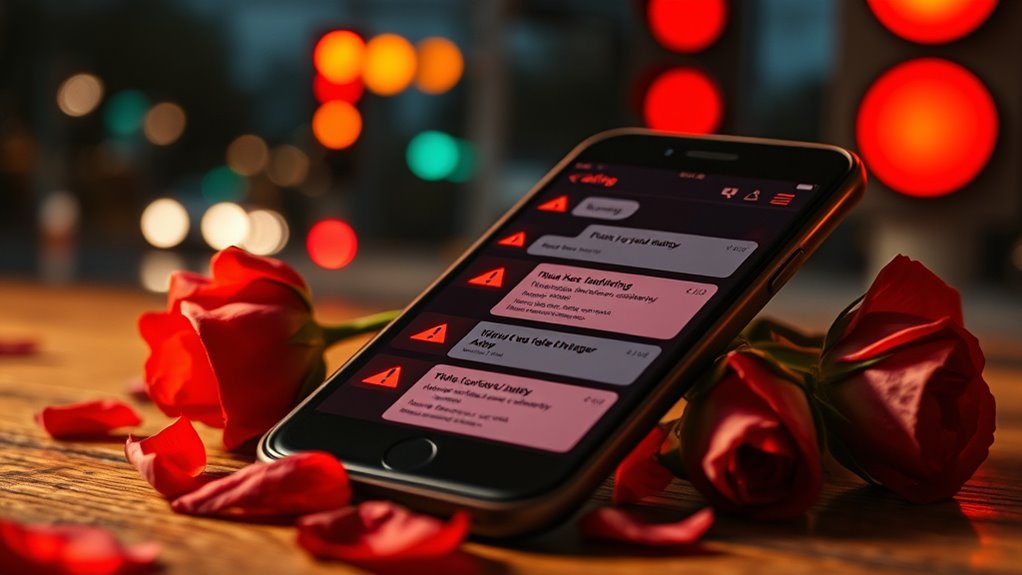
Most people ignore obvious warning signs in new relationships because they want so badly for things to work out. But recognizing red flags early can save you from months or years of emotional turmoil, and sometimes even physical abuse.
Pay attention to how your new partner communicates with you. Do they constantly criticize your appearance, intelligence, or decisions? Do they dismiss your opinions or make cruel comments disguised as jokes? This kind of demeaning language reveals how they truly view you. Nobody should tolerate being insulted regularly, even if it comes wrapped in humor. Thoughtful texting and genuine communication can help reveal true intentions early on.
Watch for controlling behaviors that seem caring at first but feel suffocating later. Excessive checking of your phone, demanding constant location updates, or trying to isolate you from friends and family are major warning signs. Healthy partners trust you and respect your independence. They don’t need to monitor your every move or dictate who you can see.
Extreme jealousy and possessiveness often masquerade as romantic devotion. But accusations of cheating without reason, resentment toward your accomplishments, or possessive language like “you’re mine” signal serious problems ahead. Real love celebrates your success and trusts your character.
Notice threatening behaviors, even subtle ones. Physical aggression, property destruction during arguments, intimidation through angry expressions, or explosive reactions to minor disagreements should send you running. Violence often escalates gradually, starting with these smaller warning signs.
Consider compatibility issues that might seem minor now but create major problems later. Partners who lack personal goals, refuse to develop themselves, or depend on you for all entertainment become exhausting burdens over time. Research has identified five key categories of dating violence warning signs that consistently appear across different populations.
Watch for communication red flags too. Partners who avoid defining the relationship, send mixed signals about commitment, or seem involved with multiple people simultaneously aren’t ready for serious relationships. Clear, honest communication forms the foundation of healthy partnerships.
Your family and friends often spot patterns you miss because emotions cloud your judgment. Listen when trusted people express concerns about your new partner. Recent research suggests that online dating may contribute to overlooking red flags that would be more apparent in face-to-face interactions. Recognizing these warning signs early requires honest self-assessment and the courage to walk away when someone shows you who they really are. Maintaining engaging conversations helps you better assess compatibility and emotional health from the start.
Frequently Asked Questions
How Long Should I Wait Before Addressing Red Flags With My Partner?
Don’t wait at all. Serious red flags like controlling behavior, threats, or monitoring need immediate attention—like, today.
For smaller issues like poor communication, address them within the first few weeks before they become “normal.” Waiting longer than a month makes problems harder to fix and increases risk of escalation.
Early intervention leads to better outcomes, so speak up now.
Can People Change Their Red Flag Behaviors if They Want To?
People can change some red flag behaviors, but only if they genuinely acknowledge the harm and commit to consistent effort.
Growth areas respond better than deeply ingrained patterns. The catch? Most people showing red flags lack the self-awareness or motivation needed for real change.
Don’t bank on potential—judge them by current actions, not future promises.
Should I Tell Friends and Family About Red Flags I Notice?
Yes, telling trusted friends and family about red flags is smart. Choose people who give honest, nonjudgmental advice—not drama queens or pessimists.
Share when you’ve got clear concerns, not vague hunches. Good confidants offer perspective, emotional support, and sometimes vital information you’re missing.
Just don’t let their opinions override your gut instincts. Your safety and well-being matter more than keeping relationship drama private.
What’s the Difference Between Red Flags and Normal Relationship Adjustments?
Red flags are persistent patterns that escalate over time—explosive reactions, gaslighting, controlling behavior, or dismissing concerns. They create anxiety and unsafe feelings.
Normal adjustments are temporary growing pains—miscommunication, different stress responses, or varying perspectives. The key difference? Red flags involve unwillingness to acknowledge impact or change, while normal issues include mutual effort to improve and respect for boundaries.
How Do I End a Relationship Safely When Serious Red Flags Appear?
They need to plan their exit carefully before having any conversation. Pack essentials, secure documents, and tell trusted friends the timeline.
Choose a public location for the breakup talk. Keep it short—no long explanations that might escalate things.
Set firm boundaries immediately and don’t negotiate. If there’s any threat of violence, skip the face-to-face conversation entirely and leave through safer methods like text or third parties.