






Starting a healthy relationship requires honest self-assessment before swiping right on anyone. Most singles want commitment but aren’t emotionally prepared for the work it demands. Focus on meeting partners through mutual friends rather than relying solely on apps—social vetting increases relationship longevity by 30%. Prioritize emotional vulnerability and open communication over surface-level attraction. Invest time and energy intentionally, embrace slower dating, and choose platforms that signal serious intent. True readiness transforms everything.

While nearly two-thirds of singles claim they want committed relationships, only about one-third report being truly ready for the real work that lasting love demands. That gap explains why so many people struggle to find meaningful connections despite wanting them desperately.
Wanting love isn’t the same as being ready for the emotional work that real relationships require.
The first step toward healthy dating involves brutal self-honesty about readiness. Those truly prepared for commitment invest considerably more time and money—averaging $289 monthly—to find quality partners. They reject superficial dating practices and focus on emotional health and shared values instead. If you’re not willing to do that work, you’re probably not ready despite what you tell yourself. Additionally, prioritizing privacy protection while dating online helps maintain safety and trust in new relationships.
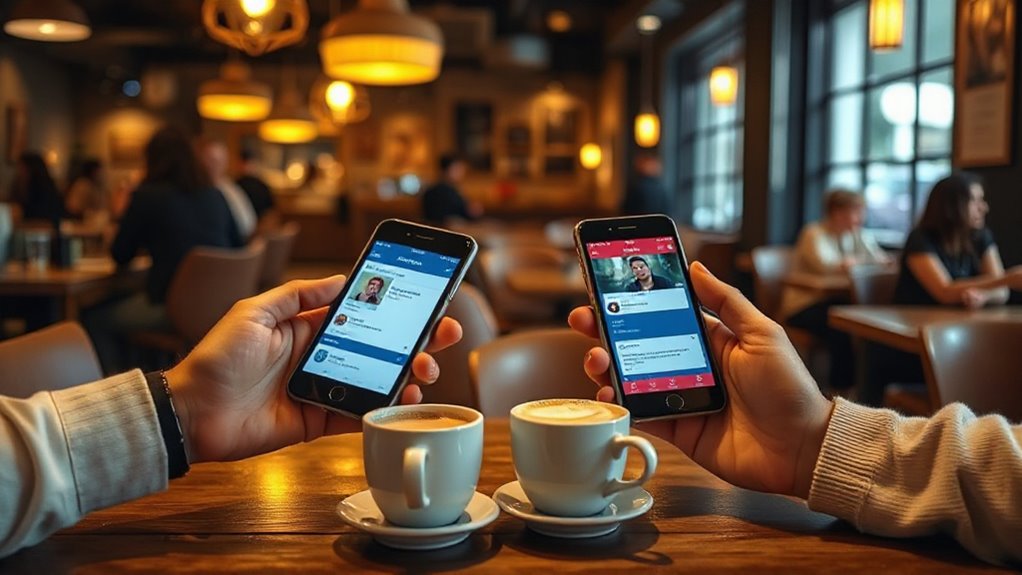
Meeting quality people requires strategic thinking about where you spend your time. While over half of engaged couples now meet through dating apps, relationships starting through mutual friends have 30% better staying power. The reason is simple: friends provide social vetting that algorithms can’t replicate.
Work environments and educational settings account for another 17% of successful couples, proving that shared daily contexts matter. Apps like Hinge and eHarmony attract users seeking serious relationships rather than casual encounters.
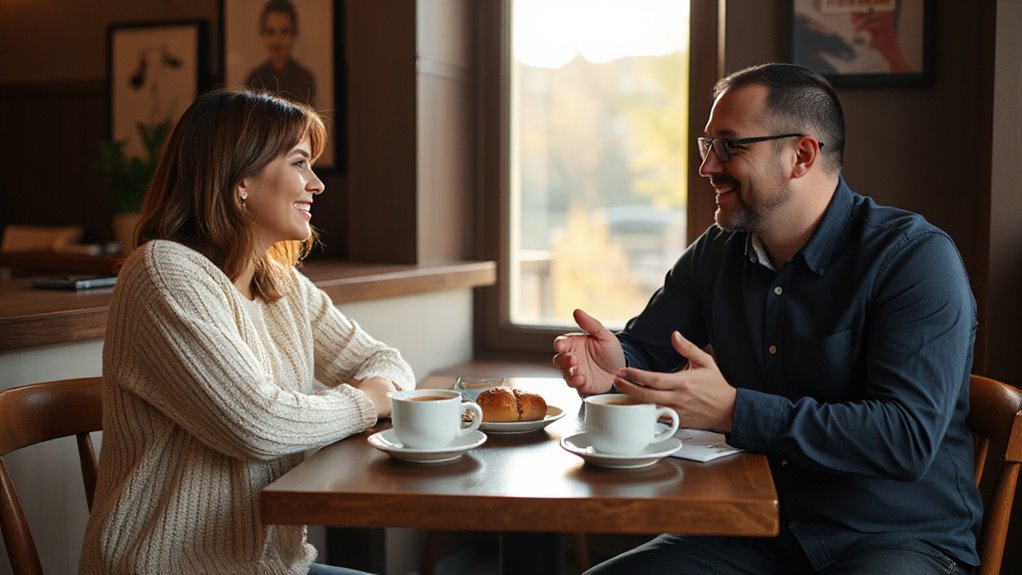
Communication separates lasting relationships from temporary attractions. Sixty-five percent of Gen Z understands that emotional vulnerability creates healthy bonds, while 42% prioritize honesty above all other traits. Mental health considerations influence 66% of young singles’ dating decisions, reflecting growing awareness that emotional well-being affects relationship success.
The stakes for getting this right extend beyond personal happiness. Strong romantic connections literally extend lifespans and reduce risks of heart disease, depression, and early mortality. Loneliness kills—that’s not melodrama, that’s medical fact.
Meanwhile, the broader decline in relationship formation creates societal problems like fewer home purchases and accelerated demographic aging. Unfortunately, choice overload from dating apps often makes everything seem less special and reduces meaningful connections.
Building lasting love requires patience and intentionality. The current trends toward slow dating and gradual connection-building before commitment reflect lessons learned from hookup culture’s limitations. Successful couples invest in professional relationship guidance, with 43% of Gen Z supporting counseling accessibility.
The bottom line? Healthy dating starts with honest self-assessment, strategic partner selection through trusted social networks, prioritizing emotional compatibility over surface attraction, and committing to open communication. Most people want the outcome without embracing the process. Don’t be most people.
Frequently Asked Questions
How Long Should You Wait Before Becoming Exclusive in a New Relationship?
Most people become exclusive within four weeks, around six dates, after spending 20-24 hours together. But there’s no magic number—timing depends on how well someone knows their partner and feels ready.
The key isn’t rushing to hit some arbitrary deadline. Instead, focus on compatibility, shared values, and honest communication. When both people feel comfortable deepening the connection, that’s the right time.
What Are the Biggest Red Flags to Watch for When Dating Someone New?
Major red flags include constant anger, emotional manipulation, and communication breakdowns.
Watch for excessive monitoring, privacy invasions, and controlling behaviors over appearance or social life.
Pay attention when words don’t match actions, past relationships stay mysteriously hidden, or substance abuse surfaces.
Trust your gut when family and friends express serious concerns—they often spot toxic patterns you’ve missed.
How Do You Maintain Your Independence While Building a Committed Relationship?
People maintain independence by keeping separate finances, personal hobbies, and friend groups while dating. They don’t abandon their goals or interests for someone new.
Smart couples negotiate space early—maybe not moving in together immediately, maintaining individual bank accounts, and scheduling solo time.
The key? Don’t lose yourself trying to become “we.” Healthy relationships need two whole people, not two halves desperately clinging together.
When Is the Right Time to Introduce Your Partner to Family and Friends?
Six months works as a decent benchmark, but honestly? It depends more on where you both stand than some arbitrary calendar date.
Have you defined the relationship yet? Are you actually committed, or still figuring things out?
Talk to your partner about what introductions mean to each of you. Some people treat it casually, others see it as huge milestone territory.
How Do You Handle Disagreements About Future Goals and Life Plans Together?
Couples should tackle goal conflicts head-on through honest conversation about money, family planning, and lifestyle priorities. Partners need to identify where their visions clash and find compromise solutions that honor both perspectives.
Setting shared objectives while supporting individual dreams creates balance. Regular check-ins prevent misalignment from festering.
When fundamental goals remain incompatible despite effort, they should reconsider compatibility.